An engagement ring can be a surprise, a shared shopping trip, or a slow-burn design project with far too many Pinterest tabs open. There’s no single “right” way to choose one—and you don’t have to follow an old rule just because it’s old. The best first decisions are the ones that help you find a ring that feels right on your hand, suits your everyday life, and makes sense for your budget and values.

After years around bridal accessories and jewelers, I’ve learned that people rarely regret choosing a ring that reflects them. They do sometimes regret ignoring practical details: a setting that catches on knitwear, a band that feels awkward between the fingers, or a purchase made before they knew what questions to ask about sourcing.
Use this engagement ring checklist to narrow your choices in a sensible order. You don’t need every answer today. Start with the big-picture decisions, then refine the details together.
Start with the decisions that shape everything else
Before you compare individual rings, get aligned on three basics: how you want to shop, how much you’re comfortable spending, and whether the ring needs to remain a surprise. These decisions aren’t unromantic. They’re a way to make sure the romance doesn’t come with avoidable stress.
Decide who’s involved. Is one partner choosing, are you shopping together, or will one person choose the ring and the other choose the proposal moment? Set a comfortable budget. Talk in real numbers rather than relying on outdated “rules” about salaries. Leave room for taxes, resizing, insurance, and any future wedding band. Agree on what matters most. Is the priority a particular gemstone, a distinctive setting style, responsible sourcing, everyday durability, or a specific metal type? Check the return, resizing, and warranty policies. These can vary, especially with custom designs. Know the terms before you fall for a ring.If one of you wants a surprise, you can still exchange useful clues. Share a few ring photos, discuss whether you like colored stones, or try on different shapes together without deciding on the final design. A surprise doesn’t have to mean a total guess.
1. Choose a stone that means something to you
Your stone choice sets the tone for the ring, but it doesn’t have to be a diamond. Diamonds remain a popular option, and they come in a wide range of cuts, sizes, and origins. Other gemstones—including sapphires, emeralds, and spinel—can bring color, symbolism, or a connection to a favorite place or family story.
Think about how you want the ring to feel as well as how you want it to look. A pale blue sapphire might recall the sea where you met. A deep green stone could be a nod to a family heirloom. A salt-and-pepper diamond may appeal if you like a less uniform, more one-of-a-kind look. Color can make a ring personal without needing an elaborate design story.
Ask about durability and care
Not every gemstone handles daily wear in the same way. Some are more likely to scratch or chip, and some need extra care around heat, chemicals, or hard knocks. Ask the jeweler how a stone is suited to everyday wear, what maintenance it needs, and whether the setting protects its edges. If the wearer works with their hands or prefers a low-maintenance routine, that information belongs in the decision—not in the fine print after purchase.
For diamonds and other stones, ask clear questions about origin and documentation. If a brand uses words like “ethical” or “responsibly sourced,” ask what those terms mean in practice and what information they can provide. A thoughtful seller should be willing to explain what they know and where there are limits, rather than relying on a vague green label.
2. Find a setting style that fits real life
The setting style is the structure that holds the center stone and helps define the ring’s silhouette. It also affects comfort, maintenance, and how likely the ring is to catch on clothing. A setting that looks striking in a close-up photo may behave very differently when you pull on a sweater.
- Solitaire: One main stone, with a clean, adaptable look. Check how high it sits and whether the prongs feel secure. Bezel: A rim of metal surrounds the stone. It can create a smooth profile and help protect the stone’s edge. Three-stone: A center stone flanked by two others. The side stones add visual width and can carry personal meaning. East-west: An elongated stone sits horizontally across the finger for a more unexpected silhouette. Cluster or halo: Smaller stones surround or gather around the center, adding sparkle and changing the overall scale of the ring. Low-profile setting: The stone sits closer to the finger, which can be a practical choice for people who dislike a tall ring.
There’s no setting style that suits everyone. Try to see the ring from the side as well as from above. Ask whether the prongs can snag on knits, whether the ring will sit flush beside a wedding band, and whether the setting makes cleaning straightforward. I keep a running mental list of settings that catch on sweaters; the tiny detail that looks harmless at a jeweler’s counter can become a daily annoyance.
Test the band between your fingers
Try on rings with different band widths and shapes, not just different center stones. A band can feel narrow, thick, rounded, or sharp-edged once it’s between your fingers. Move your hand, make a fist, and imagine wearing it all day. If you plan to pair it with a wedding band later, ask whether the shape leaves a gap or requires a contoured companion band.
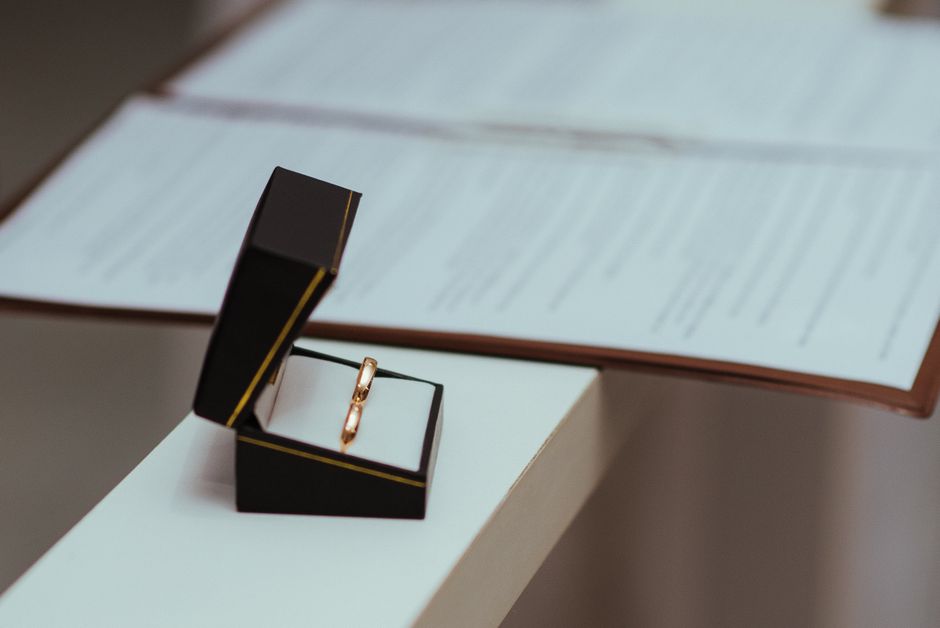
3. Pick a metal type for look, wear, and upkeep
Metal type changes the color of the ring, but it also affects https://www.bespoke-bride.com/2025/10/09/how-to-choose-an-engagement-ring-thats-as-unique-as-your-love-story/ how it wears and what care it may need. Yellow gold, white gold, rose gold, and platinum each have their own appearance and maintenance considerations. The right choice depends on personal preference, skin sensitivities, budget, and how you feel about upkeep.
Metal type What to consider A useful question Yellow gold A warm color that can suit both traditional and modern designs. Gold purity affects the balance of gold content and other metals in the alloy. What karat is it, and how does that affect durability and care? White gold A bright, pale finish. Some white gold rings use rhodium plating, which may need refreshing over time. Is this ring plated, and what maintenance should I expect? Rose gold A pink-toned look created by the alloy. The exact color can vary between pieces and manufacturers. Can I see the actual alloy color in person or in a close-up image? Platinum A naturally pale metal often chosen for its substantial feel. It can develop a matte surface with wear and may need professional attention. How will this finish change with everyday wear?If the wearer has a metal allergy or sensitive skin, say so before choosing. Ask for the full metal composition rather than assuming a color tells you what’s in the alloy. And if you already wear jewelry every day, look at the metal you reach for most often. Your engagement ring can coordinate with that collection—or break from it on purpose.
4. Break traditions that don’t feel like yours
Engagement ring traditions are optional. There’s no requirement to spend a certain amount, choose a diamond, wear the ring on a particular hand, or have one partner make every decision. Couples are building their own rituals: choosing rings together, selecting complementary rather than identical styles, or proposing with a temporary ring and designing the permanent one afterward.
Some people prefer a classic silhouette; others want a sculptural band, a signet-inspired design, or a ring with no center stone at all. “Modern” doesn’t have to mean dramatic. It can be a small change, like an east-west stone, a mixed-metal band, an asymmetrical arrangement, or a low-profile setting that works with your routine.
For a broad range of aesthetics, you might browse editorial inspiration from Bespoke Bride, compare design directions from a jeweler such as Lily Arkwright, or look at more accessible styles from Modern Gents. Treat any brand or publication as a starting point, not a substitute for checking materials, sizing, policies, and sourcing details on the specific ring you’re considering.
5. Decide how custom you want to go
Bespoke ring design can mean anything from adjusting a ready-made style to creating a ring from a blank page. Customization might involve choosing a stone, changing the setting height, selecting a metal type, engraving a message, or reworking a family stone. You don’t need a fully formed sketch to start. A jeweler can help translate a handful of preferences into workable options.
Make a useful inspiration board
Create a Pinterest board for ring inspiration, but save images for specific reasons. Add a note beside each one: “love the low setting,” “not this band,” or “prefer the stone shape, but in yellow gold.” This helps separate the details you truly like from the overall mood of a beautiful photograph.
Include a few images of rings you don’t like, too. It can be easier to explain “I don’t want tall prongs” than to find the perfect picture of what you do want. Bring the board to a consultation and ask which features are practical to reproduce in your budget and chosen materials.
Before you commit to a custom design, clarify the timeline, number of design revisions, deposit and cancellation terms, resizing options, and what happens if the finished ring doesn’t fit. Ask how the center stone will be secured and whether the final design will be shared with you for approval. A sketch is exciting; written expectations are helpful.
6. Get the fit and everyday details right
Ring size is more variable than many first-time buyers expect. Fingers can swell with heat, activity, and time of day. If possible, have the wearer sized by a professional, and ask how the chosen band width affects fit. A wide band may feel tighter than a narrow one at the same measured size.
- Ask whether the ring can be resized, and how many times. Find out whether the setting or stone type limits resizing options. Consider whether the ring is comfortable to remove and put back on. Ask about cleaning, inspection, and repair services. Photograph the receipt, appraisal, and any gemstone documentation for your records. Look into insurance once you have the relevant purchase and valuation documents.
If the ring is a surprise, borrow a ring the wearer already uses on the same finger—or ask someone they trust to help. Avoid guessing from a ring worn on a different finger; sizes can differ more than you’d think.
Your engagement ring checklist
Before you buy, make sure you can answer these questions—or know who can answer them for you:
- Have we agreed on a budget that feels comfortable? Do we know whether the stone choice should be a diamond, a colored gemstone, or something else? Have we considered durability, care, and sourcing for the stone? Which setting style feels right, and will it work for everyday wear? Have we tried the band on and noticed how it feels between the fingers? What metal type and color does the wearer prefer? Do we want a ready-made ring, a customized design, or a fully bespoke piece? Are sizing, returns, warranty, resizing, and maintenance terms clear? Will the ring sit comfortably beside a future wedding band?
One last decision: how much planning is enough?
It’s easy to turn an engagement into a project plan. Save the Pinterest board, ask the jeweler good questions, and make the decisions that matter—but leave room for the parts you can’t spreadsheet. You don’t need a perfect ring vocabulary or a unanimous vote on every detail. You need a ring that feels considered and wearable to the person who’ll put it on every morning.
And if you’re already organizing the celebration, keep the ring research separate from the wedding admin where you can. A Google Sheet for RSVPs, mentioned in an invitations promo, can help track guest responses; it won’t choose your setting style for you, thankfully. Make the ring decisions one at a time, ask direct questions, and choose traditions—or skip them—on your own terms.