If you have ever stood on a sidewalk, child seat already mounted to your rear rack, trying to figure out how on earth to thread a U-lock through the frame without getting your knuckles scraped or the kid’s seat bumped, you aren't alone. As someone who spent over a decade in a bike shop service department, I have seen every "creative" (and frankly, unsafe) way people try to secure their family bikes.
The transition from solo commuter to family hauler is exciting, but it definitely changes the mechanics of your daily ride—especially when it comes to parking. Let’s walk through how to keep your gear safe without turning a quick grocery stop into a logistical nightmare.
Developmental Readiness: More Than Just a Number
Before we talk locks, we have to talk passengers. I see so many parents asking, "Is my baby old enough for a seat yet?" and receiving generic advice like "wait until they are one." Forget the age requirement for a second. What actually matters is neck control.
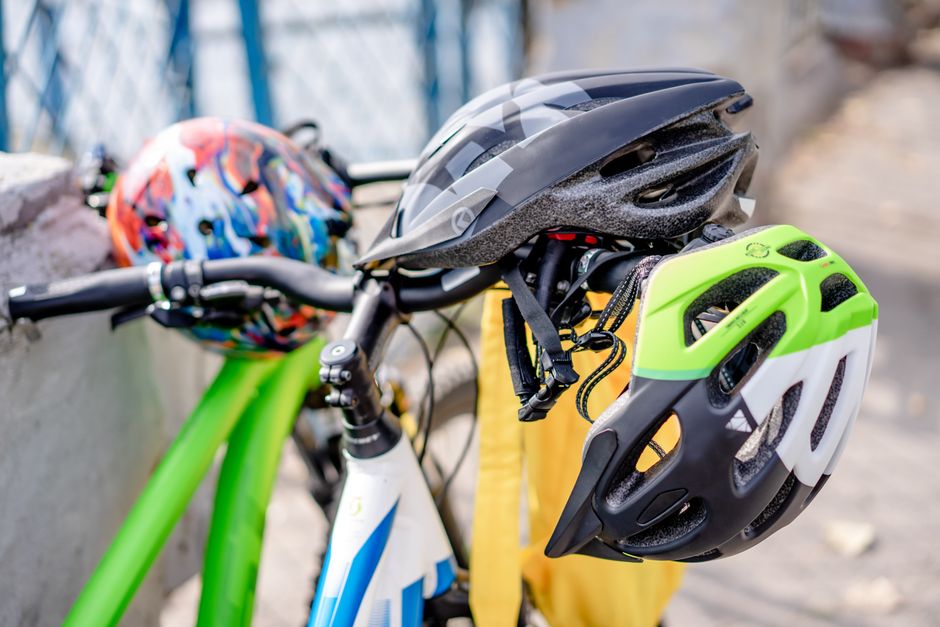
Your child needs to be able to support the weight of their head while wearing a helmet. That helmet adds significant mass. If you put a child in a seat before they can hold their head steady, the vibration of the road can lead to their head bobbing, which isn’t just uncomfortable—it’s dangerous. If you aren’t sure, have them sit on the floor in their helmet. If they can sit upright and hold their head steady for the duration of a pretend "ride," they are likely ready for the real thing.
Understanding Your Seat Configuration
The type of seat you have drastically dictates how you lock your bike. Not all mounts are created equal, and some make the "standard" locking triangle impossible to reach.
Seat Types and Accessibility
Seat Type Locking Accessibility Security Consideration Rear Rack Mount Moderate The seat often blocks the seat tube or rear triangle. Frame-Mounted (Rear) Low Arms extend from the frame, making the seat tube hard to access. Front-Mounted (Handlebar/Top Tube) High Leaves the rear triangle completely open for standard locking.When you have a rear-mounted seat, the plastic shell often creates a "dead zone" where you cannot easily loop a lock around the frame and an immovable object. This is why I always recommend keeping a torque key in your junk drawer at home. You will eventually need to cargo bike with baby adjust those mounting bolts to ensure the seat isn't shifting, as a loose seat can cause the bike to sway while you're trying to thread a lock.
The Art of the "Locking Triangle"
The golden rule of locking a bike is simple: frame and rear wheel to an immovable object. When a child seat is attached to the rear, this gets tricky. If you can’t get the lock through the frame because the child seat is in the way, you have to get creative, but you must stay secure.
Step-by-Step Locking Protocol
The Primary U-Lock: Aim for the seat tube or the main triangle. If the child seat obscures this, look for the gap between the rear stays and the rack legs. You might need a longer-shackle U-lock. The Secondary Cable: Never rely solely on a cable, but use one to loop through your front wheel and secure it to your U-lock. A bike with a child seat is an attractive target; make it hard to walk away with even a piece of it. The "Two-Click" Check: This is a habit I cannot shake. Whenever I lock up, I tug the seat to ensure the quick-release or bolt-on mount hasn't vibrated loose. If the seat isn't secure, the bike isn't secure.The Handling Change: Why Parking Matters
One thing people often ignore is that a bike with a child seat handles completely differently than a solo bike. When you are parking, you are often navigating a bike that is top-heavy and rear-biased.
When you lean your bike against a pole, the center of gravity is shifted. If the bike isn't balanced perfectly, it will tip over the moment you take your hands off the handlebars to fumble for your lock. Always use a double-leg kickstand if possible. If you are stuck with a standard kickstand, find a rack where the bike can lean *into* the object, rather than away from it.

Alternatives: Trailers and Cargo Bikes
If you find that the "child seat locking struggle" is ruining your commute, it might be time to consider if a different setup suits your lifestyle better.
- Trailers: These are wonderful for stability, but they are a pain to lock. You effectively have two "vehicles" to secure. You must lock the bike and then lock the trailer arm to the bike frame. If you take a trailer, use a heavy-duty chain that can weave through both. Cargo Bikes: These often feature integrated locks or have beefier frames that make them easier to secure. However, remember that they are heavier. If you park in a high-theft area, you need a high-security chain that you can anchor to a designated bike staple.
Safety Checks: Don't Skip the Basics
Before you even think about where to lock your bike, look at the passenger. I see parents who are meticulous about locking their bike but completely overlook the helmet fit.
If you are rushing to get to work or daycare, it is so easy to clip the helmet on and just "make it fit." Don't do that. You need the Eyes, Ears, and Mouth check:
- Eyes: The helmet should sit just above the eyebrows. If you can see the forehead, it's too far back. Ears: The side straps should form a perfect "V" just under the earlobe. Mouth: When they open their mouth, the helmet should pull down slightly on the head. If it doesn't, the chin strap is too loose.
And of course, do the "two-click" buckle check in your head. Is the strap clicked? Is the harness secure? I do this every single time I put a kid in a seat, even if I’m just moving the bike across the garage. It becomes second nature, and it ensures that you aren't riding with a seat that is improperly fastened.
Final Thoughts on Theft Prevention
The reality is that no lock is unbreakable. Your goal is to make your bike the least attractive target on the rack. If your bike has a child seat, you are already broadcasting that you are a commuter with a precious passenger. Thieves know that family bikes are often used for essential trips, which means they can't afford to have them stolen.
Keep your bike in good mechanical condition. A well-maintained bike—clean chain, pumped tires, and securely attached child seat—is easier to lock and harder to ignore. If you use a rack, make sure the rack itself is securely bolted to the bike frame. I’ve seen people lose entire seats because the rack attachment points were rusted out.
Take an extra thirty seconds. Check your buckles. Tighten your seat mounts. Lock through the frame. It feels like a lot of work at first, but once it becomes part of your routine, it’s just as natural as putting on your own helmet. Stay safe out there, and enjoy the ride with your little one. It goes by faster than you think.