I’m sitting at my desk, my 32-ounce insulated water bottle sweating slightly against my Steam Deck case. It’s 6:00 PM. Outside, the world is still noisy, but in my head, I’m just trying to figure out how to optimize my crop layout in Stardew Valley. For years, I’ve heard people ask: "Is it weird that I decompress by gaming?" or "Is this just me avoiding my responsibilities?"
Let’s cut the fluff. If you search for "gaming and mental health," you’re going to get hit with a tidal wave of corporate wellness buzzwords—"digital detox," "mindful screen time," and "unplugging for productivity." Honestly? Most of that advice is written by people who think "gaming" means a quick round of Minesweeper in 1998. They don’t understand that for many of us, our handhelds and smartphones aren’t just toys; they are the transition rituals that keep us from snapping.
So, is it normal to use gaming as meditation? Short answer: Yes. Long answer: It’s not just normal; it’s a necessary cognitive off-ramp for the modern worker. Let’s talk about why.

The "Transition Ritual" and Why Your Brain Needs It
When you finish a high-stress workday, your brain is still firing on all cylinders. You’re ruminating on that one email you sent at 4:30 PM, worrying about tomorrow’s meeting, or just feeling the physical grind of sitting in a chair for eight hours. You cannot simply "switch off." The human brain isn’t a lightbulb; it’s a combustion engine. It needs to coast down.
This is where gaming as an emotional reset comes in. When you fire up a handheld console or pull your phone out on the commute, you are performing a specific ritual. You are physically and mentally moving from "Producer Mode" into "Flow State."
What Actually Happens During Your Session
- Cognitive Offloading: You stop thinking about your boss and start thinking about your mana pool, your next jump, or your inventory management. Agency Restoration: Work often feels like a series of things being done *to* you. Gaming, even a simple puzzle game, provides immediate feedback where your choices actually matter. The "Chunk" Effect: I don’t measure my downtime in hours. I measure it in chunks. A good session is "one train ride," "three levels of a platformer," or "two quick matches of a card battler." That finite nature provides a sense of completion that work rarely gives.
The Problem with "Wellness" Discourse
I’ve spent a decade in gaming communities, from the early chaotic days of Twitch chat to the more structured Discord servers of today. I’ve seen the rise of "Wellness Gaming." It’s become a genre. Suddenly, everything has to be a "cozy game" to be healthy. If you’re playing a competitive shooter after work, people act like you’re doing something wrong.
Let me be clear: If shooting digital bad guys for 45 minutes on your commute helps you let off steam, that is valid. If building a digital house in Animal Crossing helps you feel calm, that is also valid. Shaming people for their "screen time" is the new Puritanism. It’s usually coming from people who aren’t looking at the actual physiological effect of the play—just the Learn more here glowing screen.
If you feel better after a session, don't let a generic wellness blog tell you that you should have gone for a walk instead. Sometimes, the https://highstylife.com/why-your-neck-and-shoulders-hurt-after-handheld-gaming/ rain is pouring, your feet hurt, and the "meditation" you need is 20 minutes of Vampire Survivors with a water bottle by your side. Listen to your body, not the corporate wellness LinkedIn posts.
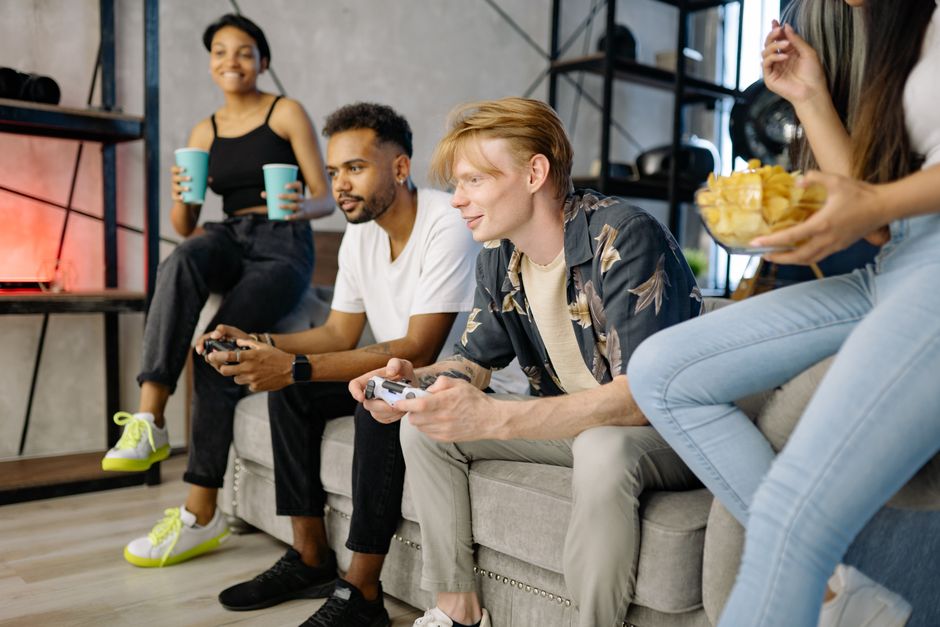
Burnout, Streaming, and the Performance Trap
There is a massive distinction between playing for yourself and streaming for others. I’ve seen enough creators burn out to know that once gaming becomes a job, it stops being a meditation. It becomes a performance.
When you are streaming, you are hyper-aware of the chat, the audience reaction, and the metrics. That is not decompression; that is labor. If you’re a creator, you need to find a way to play "offline." I tell this to every community mod I mentor: If you don't have a space where you play just for yourself, you are going to hit a wall.
Activity Type Mental Goal Risk of Burnout Solo Portable Gaming Emotional Reset / Decompression Low (if boundaries are set) Multiplayer / Competitive Engagement / Skill Building Medium (if toxic teammates appear) Streaming / Content Creation Audience Growth / Monetization High (it’s still work)Portable Gaming: The Modern "Micro-Downtime" Tool
Think about it: the rise of high-end handhelds like the steam deck, rog ally, and the switch changed the game. One client recently told me wished they had known this beforehand.. It allowed us to turn "dead time" into "recharge time." I call this micro-downtime.. Exactly.
Before, if you wanted to play something substantial, you had to be at your desk. Now, you can get a meaningful hit of "reset" on the bus, in the waiting room at the dentist, or on your lunch break. This accessibility is a double-edged sword, though. It’s only helpful if you use it to decompress, not to hide.
Doable Steps to Make Your Gaming Feel More Like Meditation
The "Transition Trigger": Don't just pick up your phone because you're bored. Pick it up as a deliberate sign-off from work. Change your shirt, take a sip of water, and then load the game. Make it a ritual. Curate Your Library: Stop playing games that frustrate you during your "reset" hour. Save the Soulslikes or the hyper-competitive ranked ladder for when you have the mental energy to handle the stress. Keep your "after-work" playlist full of games that reward you. The 30-Minute Boundary: I find that one commute or one "chunk" is the sweet spot. If you find yourself playing for four hours and feeling "numb" rather than "refreshed," you’ve crossed the line from meditation into avoidance. Physical Comfort: This sounds basic, but it matters. Sit properly. Keep your water bottle nearby. Don’t hunch over your phone like a gargoyle. Your physical posture dictates your mental state.Is It Avoidance or Self-Care?
This is the question that keeps people up at night. Is playing Dead Cells on my phone for an hour just avoiding my life?
Here’s my take, from a guy who’s watched the gaming landscape evolve for over a decade: If the gaming prevents you from eating, sleeping, or dealing with an emergency, it’s avoidance. If the gaming helps you stabilize your mood so you can handle your dinner and a decent night’s sleep, it’s self-care.
Stop overthinking it. You aren't "meditating wrong" because you're holding a controller instead of sitting on a cushion. You are engaging in a modern form of stress reduction that fits your lifestyle. As long as you are the one choosing to play, rather than feeling like you have to play, you’re doing just fine.
So, grab your handheld, take a drink of water, and fire up whatever makes your brain go quiet. The work emails will still be there tomorrow, but you’ll be much better equipped to handle them if you actually give yourself a chance to reset today.