If the very idea of a regimented routine makes you roll your eyes, you’re not alone. Self-care is often sold as a daily checklist of elaborate skincare rituals, meditation sessions, and specialty supplements — a commercialized treadmill that many find exhausting rather than restorative. But self-care doesn’t have to https://highstylife.com/is-a-more-expensive-cbd-oil-always-better/ be complicated, time-consuming, or expensive. In fact, simple self-care habits that require low structure can be exactly what you need to start feeling better without overhauling your entire life.
In this guide, we’ll explore practical ways to start small with self-care if you hate routines, keeping it simple and manageable while cutting through marketing hype. We’ll also touch on important UK-specific considerations about cannabis-derived products, share resources like Which? and Releaf (releaf.co.uk), and discuss how to use independent reviews and social media feeds responsibly.
Why Does Self-Care Feel So Hard for Routine-Haters?
Self-care is big business. From apps promising to hack your sleep to supplements claiming to reduce stress instantly, there’s a mountain of products and practices marketed as essential daily rituals. But for many, these checklists create pressure rather than relief and don’t fit reality.
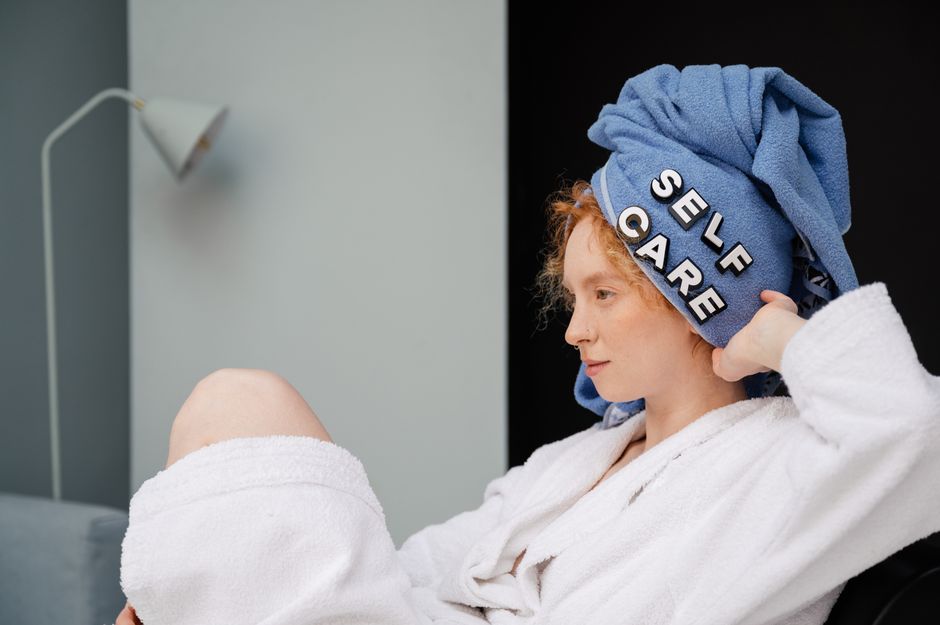
The first question to ask yourself is: what problem am I actually trying to solve? Once you identify personal goals (better sleep, less stress, more energy), you can pick specific actions that fit your lifestyle without forcing a full daily overhaul.
One Size Does Not Fit All
Trendy wellness trends often aim for mass appeal but forget individual preferences and constraints. If you hate the idea of toggling through 7 apps, 10 skincare steps, and nightly journaling, that’s totally valid. Ideal self-care respects your natural rhythms and preferences.
Boring Basics Beat Gadgets and Supplements
Here’s a helpful rule of thumb: focus on what’s proven, consistent, and simple rather than the next “miraculous” gadget or supplement. Independent reviewers such as Which? regularly test health and wellness products to separate marketing from reality. Their findings often reveal that unglamorous habits trump fancy devices.
Examples of Boring Basics
- Consistent sleep: Aim to get a regular amount of sleep, even if the timing varies slightly day-to-day. Hydration: Drinking enough water is foundational and easy to implement without extra tools. Movement: Even light walking or stretching a few times a week supports mental and physical health. Fresh air and natural light: Opening a window, stepping outside briefly, or sitting by a window daily benefits mood. Mindful breathing: A simple few deep breaths to reset stress can fit anywhere into your day without apps.
These habits don’t require strict scheduling or pricey equipment. They’re adaptable, low pressure, and realistic for those who dislike routines.
Start Small: The Key to Sustainable Self-Care
If “start small” is a cliché, it’s for good reason. Instead of “all or nothing,” integrate one or two low-structure habits this week. Here’s an example progression:

The goal is not perfection but establishing simple actions that don’t cause stress. Tiny wins build confidence.
Using Social Media Feeds Without Overwhelm
Social media can be both a blessing and a curse for self-care ideas. Curating your feed to feature evidence-based wellness accounts, independent reviewers, or communities sharing realistic habits can inspire without pressure. Avoid feeds pushing complex schedules or “detox” challenges that don’t define what they mean or promise miracle results.
Understanding CBD, THC Edibles, and Prescription Medical Cannabis in the UK
Self-care trends increasingly spotlight cannabis-derived products, but the legal and practical landscape in the UK requires clarity.
CBD vs. THC: Know the Difference
- CBD (Cannabidiol): Non-psychoactive hemp-derived compound widely sold as oil, capsules, and skincare products. Legal in the UK if it contains less than 0.2% THC. THC (Tetrahydrocannabinol): Psychoactive compound. THC edibles or recreational cannabis are illegal in the UK.
Understanding this is crucial before trying https://bizzmarkblog.com/how-do-i-budget-for-self-care-without-cutting-the-basics/ any products. Many CBD brands claim health benefits, but research is still emerging, and products vary widely.
Prescription Medical Cannabis is Rare But Growing
Medical cannabis is only available by prescription in the UK, typically for conditions like epilepsy and multiple sclerosis when other treatments fail. As a prescription medicine, it requires specialist approval and is not self-care in the affordability or accessibility sense.
Resources for Buyers
Sites like Releaf (releaf.co.uk) provide independent, UK-specific product information and reviews on CBD. They help separate effective, safe options from marketing noise, which is invaluable for anyone interested in exploring these products.
How to Use Independent Reviews and Tools to Your Advantage
Reliable information is the foundation of sensible self-care. That’s why using independent reviews from trusted sources like Which? or dedicated wellness platforms is important before investing in products or devices.
Look for reviews that:
- Test products under realistic conditions Compare products to similar alternatives Disclose conflicts of interest Focus on evidence-backed benefits rather than buzzwords
Putting It All Together: A Sample Low-Structure Self-Care Plan
Day Simple Habit Why It Helps Structure Level 1–3 Drink a glass of water upon waking Hydration kickstarts metabolism and alertness Minimal — fits fluidly with existing morning habits 4–6 Step outside for 5 minutes daily (weather permitting) Exposure to natural light improves mood and circadian rhythm Flexible timing; no fixed schedule 7–10 Practice 3 deep breaths when feeling stressed Simple mindfulness calms nervous system On-demand, no additional time needed 11–14 Walk or stretch once during the day Movement eases muscle tension and lifts energy Brief, spontaneous, no fixed slotThis plan doesn’t demand journaling, app-tracking, or fancy equipment. It’s intentionally low-structure so it can survive busy or unpredictable weeks.
Final Thoughts: Self-Care Doesn’t Have to Be a Full-Time Job
If you hate routines, keep in mind self-care is about choices that support your wellbeing, not another source of guilt or pressure. Focus on simple self-care habits that solve real problems in your life, start small, and rely on boring basics vetted by independent experts. Avoid chasing “quick fixes” implausibly promised by supplements and gadgets.
Use trusted sources like Which? and Releaf to navigate product claims and stay informed on UK-specific regulations, especially regarding cannabis-derived products. Remember: what’s sustainable for you is what counts.
Finally, honour your personal rhythms and preferences — your self-care journey is uniquely yours, and it’s perfectly OK to keep it simple.