I still remember the the first time I finished a grueling 12-hour night shift and crawled into bed, only to find my brain vibrating at a frequency that felt suspiciously like a dial-up modem. I had spent years treating my evenings like a to-do list, convinced that if I just did enough "wellness," I’d flip the off-switch. But sleep isn't a machine you force into submission; it's a physiological state that requires an invitation.
Enter the world of sleep soundscapes. You’ve seen them everywhere—ambient mixes of rainforest storms, crackling fireplaces, or deep, rhythmic brown noise. But after 12 years of writing about wellness, and specifically after testing dozens of these auditory aids for seven nights at a time to see which ones actually moved the needle, I’ve learned that the line between "helpful tool" and "digital overstimulation" is thinner than a silk eye mask.
So, do they work? Or are we all just paying for the placebo effect of a curated rain shower? Let’s strip away the marketing jargon how to create a peaceful environment and get real about how to reclaim your evenings.
The Science: More Than Just a Placebo
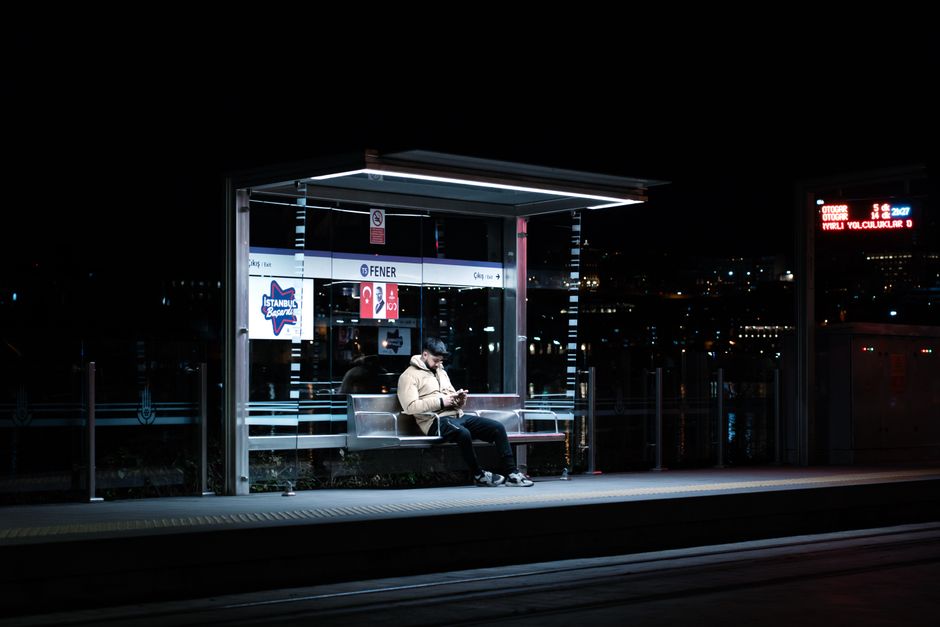
If you head over to PubMed, you’ll find a growing body of research suggesting that sound therapy isn't just "in our heads." It’s deeply rooted in how our autonomic nervous system perceives threats. Evolutionarily, humans are wired to sleep in environments where they feel safe. Total silence can actually be counterintuitive if you live in a noisy city—it makes us https://smoothdecorator.com/the-unwinding-why-gentle-bedtime-stretches-are-your-best-ally-against-digital-burnout/ hyper-alert to sudden, irregular sounds (like a neighbor’s car door slamming), which is the ultimate enemy of deep sleep.
Soundscapes work by creating a "sound floor." By introducing consistent, non-threatening background noise, you mask the jarring, irregular noises that trigger your fight-or-flight response. This is often referred to as "sound masking." When your brain stops scanning for threats, it can actually transition from the Beta wave state of daily stress into the slower Alpha and Theta waves required to fall asleep faster.
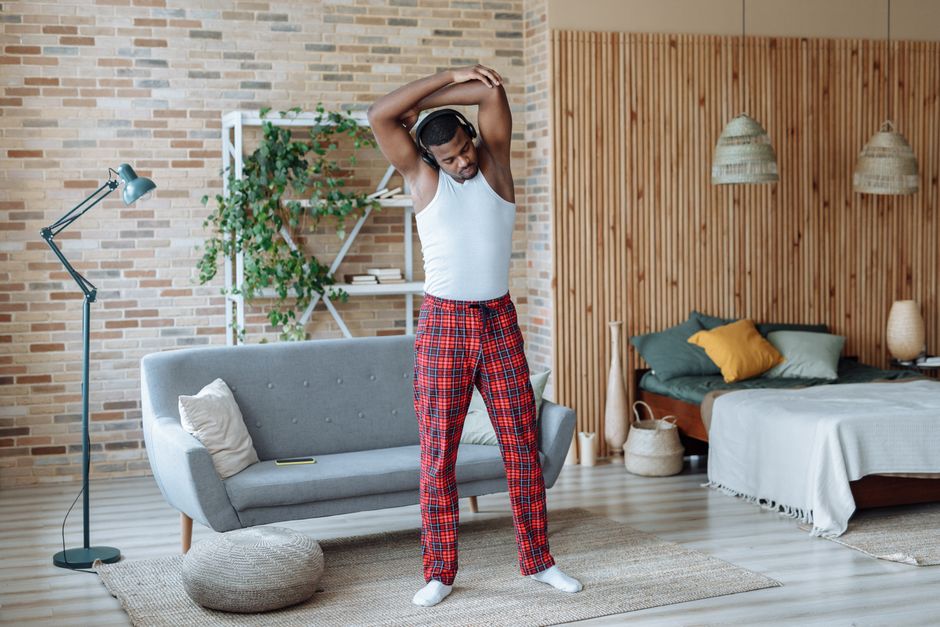
However, the "placebo" argument holds some water. If you believe a soundscape will help you, your brain releases a tiny bit of tension just by hitting "play." That reduction in performance anxiety is a wellness win in my book, even if the sound itself is secondary.
The Double-Edged Sword: Digital Overstimulation
Here is where I have to be the bearer of bad news: using your phone to play sleep sounds is often a case of the cure being the cause. I remember a project where learned this lesson the hard way.. As someone who writes about digital wellbeing, I am constantly frustrated by advice that suggests using high-stimulation apps to find "calm."
Many of us turn to calming YouTube channels, which are fantastic, but they are housed on a platform designed to keep you clicking. If you are watching a video of a flickering candle, you are subjecting yourself to blue light, potential autoplay suggestions, and the subconscious urge to check your notifications. Screen fatigue is real, and it’s one of the primary reasons we feel "wired" at bedtime.
The "Good Enough" Strategy for Shift Workers and Parents
If you’re a parent or working shifts, you don't have the luxury of a three-hour "wind-down ritual" that involves essential oils and a journal. You have ten minutes before the house wakes up or before you need to be out the door. For you, the goal isn't "perfect" sleep hygiene; it's good enough recovery.
- Keep it analog where possible: Invest in a simple, dedicated white noise machine that isn't connected to your phone. The 8:30 PM Rule: Regardless of when you sleep, try to keep your lighting warm and low after 8:30 PM. Even if you’re using an app, dim your screen to the absolute lowest setting and flip your phone face down. Curated Collections: Instead of searching randomly, use trusted platforms like Releaf (UK), which curates sound environments specifically for relaxation without the endless scrolling of a video algorithm.
Tracking vs. Feeling: The Wearable Trap
We live in an age of sleep trackers and wearable devices that promise to tell us exactly how well we slept. I’ve worn them all. But there is a distinct irony in obsessing over your Sleep Score the moment you wake up. If your device tells you that you had a "poor" night, you start the next day with increased cortisol—which guarantees the next night will be even worse.
If you use a wearable, use it for data trends over weeks, not nights. Do not let a digital score dictate your mood. If you feel rested, you are rested. If you use a soundscape and it helps you drift off without the usual mental loops, don't worry about what the data says. The *feeling* of recovery is the only metric that matters in slow living.
Quick Comparison: Which Soundscape is Right for You?
Not all sounds are created equal. Depending on your sensory preferences, you might find some sounds help you settle, while others actually make you more anxious.
Sound Type Best For The Vibe Brown Noise Anxious, racing thoughts Deep, bass-heavy, like a distant rumble or wind. Pink Noise Deep sleep maintenance Balanced, like steady rainfall or rustling leaves. Nature Sounds Softening a sterile room Birds, brooks, or forest environments. Binaural Beats Deep concentration/transition Synthetic, pulsing tones (require headphones).Final Thoughts: Embracing the Slow
The goal of using nature sounds for sleep or any soundscape should be to create a transitionary space. It is a boundary you build between the "productivity" of the day and the "recovery" of the night. It is a form of intentional pacing.
I'll be honest with you: if you find that a particular track helps you release the tension in your jaw or slow your breath, keep using it. But if you find yourself spending 20 minutes "searching for the perfect sound," you’ve lost the battle. The most effective sleep aid is the one that allows you to stop looking at your screen.
My advice? Find one soundscape you love, set a sleep timer, and put the device out of reach. Your evenings are not another project to be optimized; they are the foundation upon which your next day is built. Make them quiet, make them warm, and keep them simple. That is, quite honestly, good enough.