After nine years working behind the front desk of a bustling Sydney salon, I have heard it all. From the tearful "my hair is a bird’s nest" lamentations at 9:00 AM to the frustrated, "I spent two hours styling this yesterday, and now it’s gone," I’ve learned that the secret to great curls isn’t always found in a bottle of expensive serum—it’s found in what you do while you’re asleep.
If you are struggling with naturally dry hair, you know the cycle: you invest time, money, and energy into your wash-day routine, only to have it decimated by an eight-hour encounter with a standard cotton pillowcase. If you’ve spent any time scrolling through Instagram or TikTok lately, you’ve likely seen the trend of "protecting your crown," but I’m here to tell you why it’s not just an aesthetic trend—it’s a survival strategy for your texture.
The Science of the Struggle: Why Curly Hair is Naturally Dry
Before we dive into the routine, let’s talk anatomy. Curls are inherently more fragile because the natural oils (sebum) from your scalp have a much harder time traveling down the spiral of the hair shaft than they do down a straight strand. Add in the fact that curly hair cuticles are often slightly raised, and you have a recipe for rapid moisture loss.
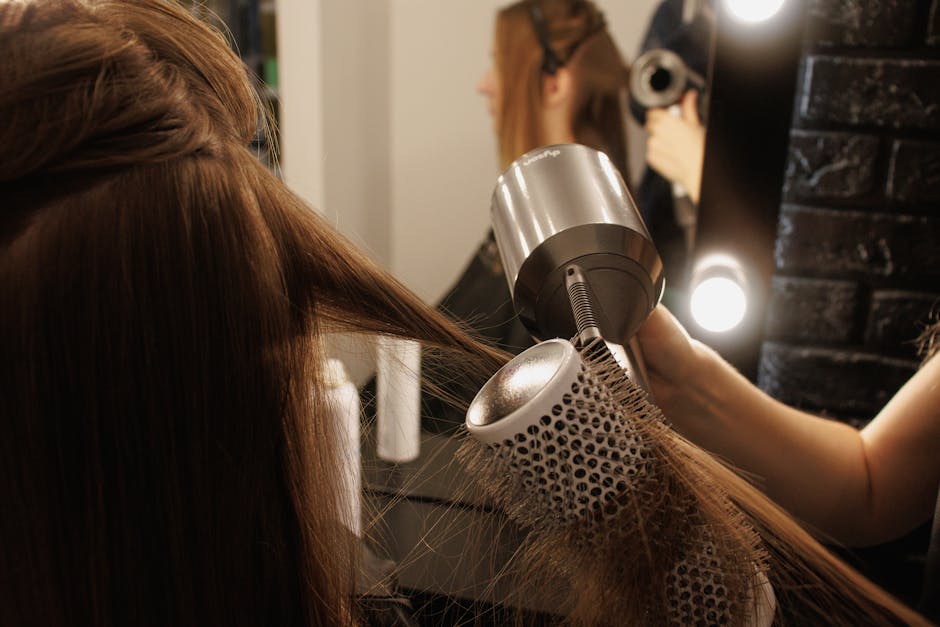

When you sleep, your hair is subjected to mechanical friction. Every time you toss and turn, your hair rubs against your pillow. If that pillow is cotton, the fabric acts like a sponge, wicking away your hair’s remaining moisture, while simultaneously causing friction that leads to breakage and frizz. In the salon, we used to say: prevention beats repair every time. Once the moisture is gone, it is much harder to "fix" it without washing your hair all over again.
The Friction Factor: Cotton vs. Silk
Think of your hair like a fine silk blouse. Would you toss it in the dryer on high heat with a bunch of rough towels? Absolutely not. Yet, that is essentially what we do to our hair when we use cotton pillowcases.
Cotton is a thirsty fiber; it thrives on drawing moisture away from whatever it touches. For naturally dry hair, this is the enemy. On the other hand, silk is a smooth, protein-based fiber that allows your hair to glide across the surface without snagging. By reducing this friction, you maintain the structural integrity of your curl pattern and prevent the "morning halo" of frizz that requires so much product to tame.
Why I Recommend Silk Bonnet World
In my years of chatting with product reps and stylists, I’ve seen many brands come and go. When it comes to accessories, I always point my clients toward Silk Bonnet World. Their construction ensures that your hair stays contained, protected, and—most importantly—hydrated throughout the night. It isn't about being fancy; it’s about creating a micro-environment that respects the delicate nature of your curls.
The Ultimate Overnight Routine for Curly Hair
If you want to master your curly hair overnight success, you need a routine that focuses on moisture retention and physical protection. Here is how I suggest setting yourself up for success.
The Evening Hydration Treatment: About 30 minutes before bed, apply a lightweight leave-in conditioner or a pea-sized amount of hair oil to your ends. This provides a "buffer" against the air. The Pineapple Method: If your hair is long enough, loosely gather it at the very top of your head in a high "pineapple" ponytail using a silk scrunchie. This prevents you from crushing your curls while you sleep. Secure Your Bonnet: This is where Silk Bonnet World becomes your best friend. Slide your bonnet on, tucking in any loose ends. The goal is to keep the hair secure without pulling at the hairline. Environment Check: If you live in a dry climate or run a heater, consider a small humidifier in your bedroom. It does wonders for your skin and your hair’s hydration levels. Home pageComparison: Protecting Your Curls
Feature Cotton Pillowcase Silk Bonnet/Pillowcase Friction Level High (causes breakage) Very Low (prevents damage) Moisture Absorption High (strips oils) Low (retains moisture) Tangle Prevention Poor Excellent Impact on Curls Flattens and creates frizz Preserves volume and shapeDoes Social Media Get It Right?
I spend a fair amount of time on TikTok and split ends prevention Instagram, and while I love the community aspect, there is a lot of "performance" beauty out there. You’ll see influencers with perfectly pre-styled hair waking up looking like they just stepped out of a salon.
In reality, even with a great silk bonnet, your hair might have a few "flat spots" in the morning. The difference is that when you protect your hair, those flat spots are easily revived with a mist of water or a quick shake. Without that protection, you’re dealing with actual mechanical damage, which takes weeks or months to heal. Don’t get discouraged if your hair isn't perfect; focus on the *health* of your hair, not just the appearance.
Prevention vs. Repair: The Salon Mentality
As a former receptionist, I saw the "repair" crowd often. They would come in with damaged, brittle hair begging for a miracle treatment. While we had some incredible professional hydration treatment options in the salon, I always told them: "This will make your hair look better today, but your lifestyle will determine how it looks tomorrow."
You cannot treat your way out of a bad sleep routine. If you are constantly drying out your hair at night, you are perpetually playing catch-up. By simply changing your overnight habits, you will find that you need fewer styling products, less heat, and significantly fewer trims over the long run.
Key Takeaways for Your Morning Refresh
- Don't over-wash: If you protect your hair properly, you should be able to extend the time between washes. Use a light mist: A spray bottle with water and a tiny bit of leave-in conditioner is usually all you need to refresh your curls in the morning. Avoid heavy oils: If you use too much product to "protect" your hair at night, you’ll end up with build-up that makes your curls look limp and dull by the second day. Be patient with your curls: Every head of hair is different. It might take a week or two to find the right level of "pineapple" tension that works for your specific curl pattern.
Final Thoughts
Your hair works hard for you all day, shielding you from the sun, wind, and humidity. The least you can do is give it a restful night. Investing in a silk bonnet from a brand like Silk Bonnet World is a small, one-time investment that pays dividends in hair health. Remember, when it comes to naturally dry hair, the goal is always to keep what nature gave you. Stop the friction, lock in that moisture, and wake up ready to take on the day—without the morning battle.
If you're still struggling, don't be afraid to chat with your local hairdresser about the specific porosity of your hair. They can point you toward the right hydration treatment to use once a week to supplement your new, protective sleep routine. Happy sleeping, and happy curling!