For a long time, we were told that online relationships were "lesser." We heard the same tired warnings about how digital spaces could never truly replace the warmth of a physical room or the spontaneity of meeting at a local cafe. After eleven years of monitoring gaming communities, hosting chaotic chat nights, and watching how people actually exist in these spaces, I’m calling it: that entire premise is outdated.
Online platforms aren't replacing real life; they are extending it. When we talk about how people connect across countries, we aren't talking about a sterile, disconnected version of friendship. We are talking about the removal of the most annoying barrier in human history: the physical map.
From Destinations to Platforms
Ten years ago, an "online hangout" was an event. You had to schedule a time, jump on a platform, and hope everyone showed up at the same moment. It felt like a meeting, which is the fastest way to kill organic friendship. Today, the model has shifted from destination-based socializing to platform-based presence.
This is where the distinction becomes crucial. When you use online hangouts to maintain relationships, you aren't trying to "go" somewhere. You are occupying a shared, permanent space. Whether it’s a private Discord server, a shared gaming lobby on MrQ, or a dedicated workspace, the platform becomes the "where" so the friendship can become the "what."
Data from the Pew Research Center has consistently shown that digital platforms are the primary engine for teenage and young adult social maintenance. It isn't just about gaming or chatting; it’s about having a place to exist while someone else is there, even if you’re both busy with different tasks.
Always-On Access and the Death of "Planning"
One of the most significant shifts I’ve observed is the decline of the "planning phase." In the past, if you lived in different time zones, you had to treat a phone call like a military operation. You’d check calendars, confirm availability, and apologize for the interruption.
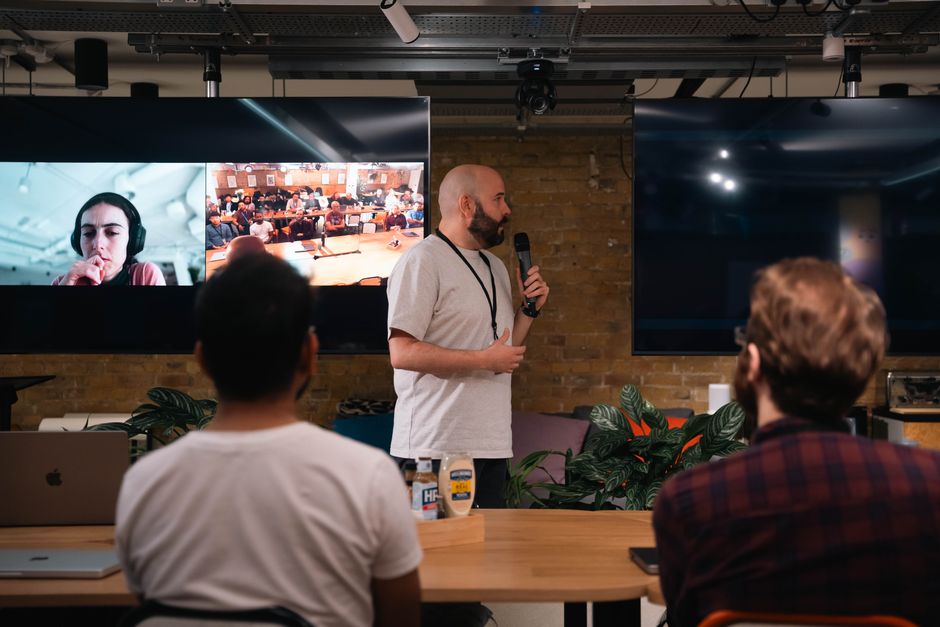
Now, we see the rise of the "always-on" room. These aren't just live chat rooms; they are digital living rooms. You log in, you see your friend’s avatar or status indicator, and you drop a message. If they are busy, they don’t reply. If they are free, they pop into the voice channel. It’s a low-pressure, high-availability model that mimics the feeling of having a roommate, even if that roommate lives six time zones away.
The beauty here is the removal of guilt. Because the room is always there, you don't feel like you’re "wasting" a scheduled time slot if you only want to hang out for ten minutes. This leads to what I call the "micro-hangout"—a quick exchange, a shared joke, or a brief moment of gaming that keeps the connection alive without requiring an hour of dedicated mental energy.
Presence Through Participation
How do you stay close when you can't be in the same room? You stop focusing on conversation as the only metric of interaction. Over at 360 MAGAZINE INC, we’ve often discussed how community culture thrives on side-by-side participation rather than forced dialogue. It’s the "doing" that matters.

When you host themed sessions—like a watch party, a collaborative coding session, or a co-op gaming night—you aren't just talking. You are creating a shared history. You are witnessing the same events, experiencing the same frustrations, and navigating the same challenges in real-time.
The Logic of Shared Space
- Passive Participation: Being in the same chat room while working on separate projects creates a sense of "ambient intimacy." Active Participation: Using themed sessions to provide a focal point for the hangout, which removes the pressure to "fill the silence." Asynchronous Bridging: Leaving breadcrumbs in chat that the other person can pick up when they wake up, effectively shrinking the impact of time zone differences.
The "10-Minute Bounce" and Why It Matters
I track user behavior closely, and I’ve noticed a phenomenon I call the "10-minute bounce." People jump into a server, hang out for ten minutes, and leave. To an outsider, that might look like an unsuccessful interaction. I argue the opposite.
In a physical world, ten minutes isn't worth the travel time. But online, ten minutes is a perfect window for a check-in. It allows people to feel "seen" by their friends without having to commit to a multi-hour production. It’s the digital equivalent of stopping by a friend's desk to say hello before heading back to work. If you ignore the 10-minute bounce, you’re ignoring one of the most effective tools for sustaining long-distance friendships.
The Comparison: Old vs. New Social Models
It helps to visualize how these geographical barriers are actually being broken down by these specific platform behaviors.
Feature Traditional Socializing Digital Platform Socializing Scheduling Strict; heavy cognitive load Flexible; "drop-in" nature Communication Focused on direct speech Ambient; text, voice, and play Geography A primary barrier Irrelevant to the connection Goal Making "plans" Maintaining "presence"Addressing the Myths of Digital Socializing
It’s time to stop pretending that every community is automatically healthy, but it is also time to stop pretending that digital spaces are inherently "fake." A friendship formed over a shared campaign in a gaming platform is just as real as one formed at a bar.
The annoyance I feel regarding the "tech jargon" crowd—people who talk about "digital transformation" without ever having spent an hour in a Discord voice channel—is rooted in the fact that they miss the human element. They see the tech; they don't see the people.
When we use tools to connect across countries, we are leveraging the best of human ingenuity to solve a problem that has existed for centuries: loneliness in the face of distance. We are creating infrastructures of care that allow us to stay involved in each other's lives, not just through highlight reels on social media, but through the mundane, repetitive, and beautiful act of just being around.
Final Thoughts: The Future is Ambient
Geography used to dictate the boundaries of your social circle. If you moved for a job or a school, you mourned the loss of your daily friendships. You moved into a "long-distance" phase that inevitably led to drifting apart.
Today, that isn't the rule. It’s an option. By treating our digital spaces as homes rather than temporary meeting spots, we’ve effectively connecting with friends globally made geography a background detail. You can host themed sessions on a Tuesday night in Tokyo and a Tuesday morning in New York, and the connection doesn't fray—it strengthens.
We are learning how to be present, even when we are absent. And frankly, that is the most significant leap forward in friendship culture that I have witnessed in my eleven years on the beat. Don't worry about whether it’s "real." Worry about whether you’re showing up. The tools are there; the rest is up to you.