When you touch an old table, especially one crafted during the Georgian or Victorian eras, you’re not just feeling wood or leather or cloth. You are making contact with patina and wear, an unspoken story etched by decades — sometimes centuries — of hands, elbows, spills, and careful papers. This “ hand memory surface” is a dialogue between user and object, a physical record that reveals more than meets https://bestleather.org/green-baize-and-bridle-leather-the-craft-behind-classic-game-room-furniture/ the eye.
Understanding the Mark of Use: Patina, Wear, and Use Marks
The term patina is often misunderstood as just age or dirt accumulation. But in furniture restoration and cataloguing, it's a nuanced concept — it refers to the subtle changes that show continued use: gentle polishing from hands, slight indentations, color shifts, and surface texture adaptations that occur over time.
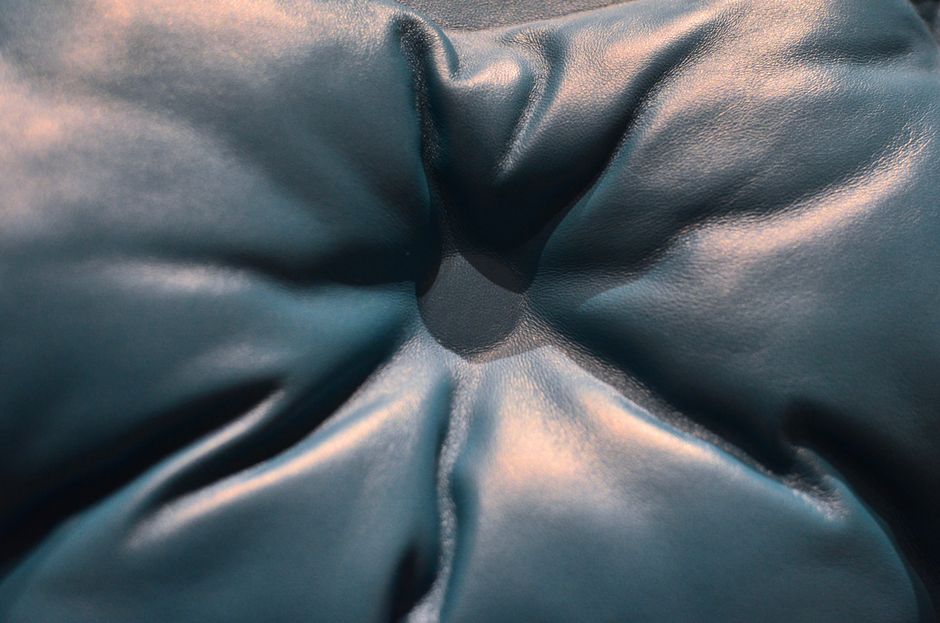
Use marks are the specific points of contact that occur repeatedly: thumb smudges near the edges, wear from pen ink on writing tables, indentations from stacking plates or books. These marks don't just decrease value; they add character, history, and authenticity.
Why the Surface Matters: A Tactile History
It’s what your hands will feel first — the smoothness, rough patches, the “give” of leather or the cling of cloth nap — before your eyes register any minor scratches or discoloration. This tactile heritage is how you understand how many people, and what kind of handling, a table has endured.
The Battle of Baize vs. Felt: Clearing Up the Green Cloth Confusion
One of the most telling layers of certain antique tables is their green cloth covering the writing or gaming surface. Many people casually call all green cloth “felt,” yet this is wrong. Baize deserves the recognition it’s often denied.
Baize: Nap Direction and Proper Care
Baize is a dense woolen cloth with a distinct **nap**—a grain that your fingers can feel, much like velvet but coarser. The nap matters because:
- It guides the direction of wear and reflects light differently based on orientation. If you brush or clean against the nap with harsh tools (such as vacuums), you risk irreversible damage. Restorers and upholsterers, whom I've studied closely, always use a soft brush and work with the nap to maintain surface integrity.
Remember: no vacuum on baize! That’s a cardinal rule I've repeated to many enthusiasts and even museums alike. The Victoria and Albert Museum (vam.ac.uk) is exemplary in preserving baize surfaces this way.
Why Green? The Rise of Green Cloth
Historically, green became the default color for gaming and writing cloth on tables due to its soothing effect on the eyes and ability to provide a high-contrast background for white or black pieces and writing. The dyeing process in the 18th and 19th centuries made green among the more stable and accessible color choices. Over time, the green baize surface became not only functional but iconic.
Bridle Leather: From Harness to Table Trim
Leather edges on tables — often trim, corners, or pads — frequently made from bridle leather—a dense, durable leather initially developed for horse harnesses and reins. This heritage shows in the material’s resilience and the way it ages beautifully to form its own patina.
Bridle leather’s natural oils and tight grain make it ideal for areas experiencing heavy contact. Unlike softer leathers that wrinkle and degrade faster, bridle holds up, skives well for thin, invisible edges, and burns nicely, creating that rich, warm appearance that reaches beyond mere color.
Skiving, Burnishing, and Invisible Edges
When leather craftsmen work on table trim, skiving is crucial. This process means shaving down the edge of a leather strip until it’s paper-thin, allowing a neat, near-invisible overlapping edge. Thin edges contribute to a seamless finish where the leather feels like it’s grown from the wood rather than pasted on.
After skiving comes burnishing — where the leather edges are polished, compacted, and sealed. The burnished edge is tactile. Run your fingers along it, and you won’t feel a sudden edge or lift. That refined handling is a sure sign of quality and longevity.

Mr Q (mrq.com), a specialty leather supplier, recommends choosing bridle leather for anything requiring strength and hand feel, especially on furniture.
Interpreting Use: Reading Those Stories in Touch and Sight
When a table records its users, it reveals itself through a combination of:
Wear patterns — Are the edges smoothed down from frequent touch? Are there slight dished areas where hands or elbows rested? Patina variations — Has the leather darkened unevenly? Has the baize nap shifted or been flattened in areas? Construction clues — Are the leather edges expertly skived and burnished or crudely applied? Are the baize panels correctly installed respecting nap direction?All these factors create what I call "hand memory" — an index of how and by whom the table was used.
Common Mistakes and What They Tell Us
- Vacuuming baize: destroys the nap and gives a false appearance of cleanliness but ruins the very surface telling the table’s story. Over-conditioning leather: can seal or darken the patina too aggressively, erasing natural hand oils that narrate the table’s history. Ignoring floor structure under heavy tables: this damages the legs and frame, revealing neglect or improper installation—affecting the piece’s lifespan.
How BestLeather.org Advances Understanding of Leather in Furniture
BestLeather.org is a key resource for those wanting to understand the heritage and care of leather in furniture. Their guides explain the aging process of bridle leather, why it develops such a rich patina, and the importance of proper maintenance without over-conditioning. They emphasize respecting the natural oils of leather to preserve that hand memory surface.
Conclusion: A Table as a Living Document
When you appreciate an antique table, think beyond the visible chips or discoloration. Touch it gently. Feel the baize nap’s direction. Notice if the leather edges hold firm or have been expertly burnished. Explore the layers of history embedded in every worn spot and every smooth patch. Each table is a living document, recording its users' legacies — not just a piece of furniture but a companion in human stories.
So when you see a green cloth surface, resist calling it just “felt.” When you brush baize, use a soft brush working with the nap — never vacuum. And when you see bridle leather trim, celebrate the craftsmanship of skiving and burnishing that only expert hands can achieve.
It’s in these details that the soul of a table lives, telling us who used it and how, even centuries later.