New beer release parties are a bread-and-butter event for taprooms aiming to create buzz and bring in a crowd. Beyond pouring limited pours of a freshly brewed batch, these gatherings transform a taproom into a lively social destination where old friends meet, new connections form, and the atmosphere pulses with anticipation. If you’ve never attended one, you might wonder what exactly goes on and why people keep coming back.
Taprooms as Social Destinations
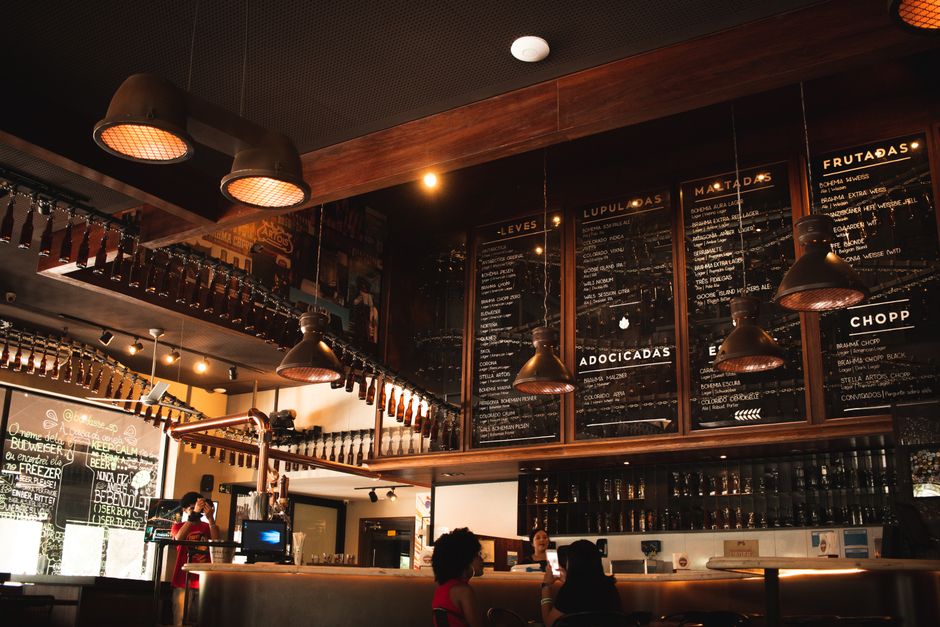
Taprooms are designed to be more than just places to grab a drink. They’re hubs of community activity where social interactions https://newschoolbeer.com/nsb/2026/8/from-taprooms-to-smartphones-how-entertainment-is-changing-a-night-out happen naturally. During a new beer release, this effect intensifies. A taproom’s layout—usually featuring communal tables, bar seating, and quieter corners with analog games like darts or giant Jenga—plays a crucial role in managing the taproom crowd and pacing the event experience.
One of the first things I do as soon as I enter a taproom is scan the seating arrangement and game areas. These spaces act as social glue during a release party. You’ll see groups huddled around a table with a flight of limited pours, occasionally breaking off to challenge each other at the games scattered around the room. These analog games encourage interaction without pulling out smartphones constantly, making the social atmosphere feel more connected.
Why Layout Matters During a Release
- Communal tables invite sharing and discussion about the new beer’s flavor profile. Bar seating offers a vantage point for observing the taproom crowd and chatting with bartenders about the latest batch. Game corners provide natural breaks in conversation and keep the energy up during quieter moments between beer orders.
Events as Repeat-Visit Drivers
Beer release parties are more than one-off celebrations; they’re strategic events designed to bring drinkers back regularly. When a taproom schedules new releases, it creates anticipation. Patrons mark their calendars for next month’s new hop-forward IPA or barrel-aged stout.
Unlike vague event talk (“We’ll have some fun this weekend!”), well-run beer releases spell out specific details that matter to guests:
Release time – When the first taps open to limited pours. Special flavors – The tasting notes and stylistic shifts compared to previous batches. Engagement activities – Trivia around the new brew’s inspiration or opportunities to meet the brewers themselves.This clarity encourages a solid turnout and a buzz that lasts well past opening night.
Limited Pours: The Draw and the Challenge
Limited pours are a staple of beer release parties. They offer patrons rare access to exclusive brews in small quantities, emphasizing the “now or never” mentality. For the brewery, it’s a balancing act to cater to the taproom crowd’s enthusiasm while managing supply. Guests often arrive early or line up to secure their share, lending the evening an energetic, pulse-raising vibe.
From a social perspective, limited pours build excitement and encourage conversation. People trade tasting notes, debate flavors, and occasionally swap to sample a wider array of the release options. If you've ever been to one, you’ll know the feeling—lines that snake patiently, glasses held aloft in cheers, and the ambient buzz of discovery mixed with old-fashioned banter.
Analog Games as Social Glue
While smartphones are ubiquitous, their role at beer release parties isn’t always the center of socializing. Instead, taprooms lean on analog games to keep patrons engaged with one another. This isn't about banning phones but offering tangible social experiences alongside them.
Common games at release parties include:
- Darts – A perennial pub classic for light competition. Giant Jenga – Physical engagement draws in groups to collaborate or compete. Cards or board games – Often themed around beer or local culture for added relevance.
These games create natural conversational entry points without forcing interaction. They can break up the drinking pace, ease any social anxiety, and steward people away from perpetual phone scrolling.
Smartphones as Downtime Entertainment
That said, smartphones aren’t absent or shunned during new beer releases. They serve practical and entertainment roles, though nuanced beyond the simplistic “enemy of socializing” trope.
Since many breweries now offer smartphone access to digital menus and ordering, phones become tools more than distractions. Patrons can:
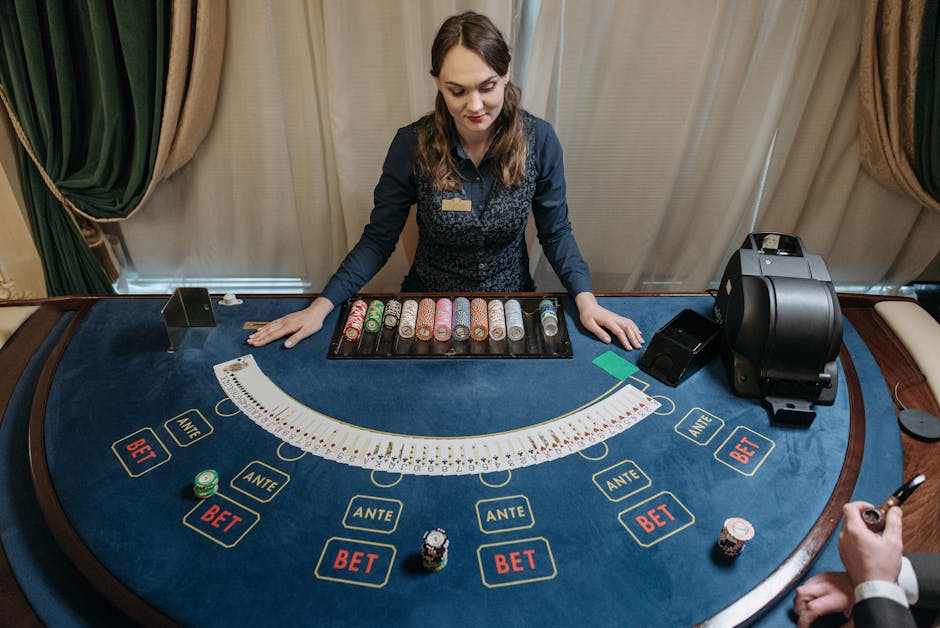
- Scan QR codes to see full beer descriptions and ingredients. Use mobile deposit casino-style apps that some taprooms have adopted to engage guests with themed games or raffles, leveraging downtime effectively. Stay connected to social media to share live photos, helping spread the word about the release. Coordinate friend meetups without fragmenting the group.
The key is balance. Good taprooms create environments where smartphone use enhances rather than replaces person-to-person connections.
What to Expect at a Typical Beer Release Party
Time Activity Notes Opening Hour (e.g., 5-6pm) First limited pours go live Expect a line or crowd near the taps; games usually start slow. Early Evening (6-8pm) Socializing, sampling flights Groups gather around communal tables, analyze beers, and engage with brewers. Mid-Evening (8-9pm) Games in full swing Darts competitions or Jenga challenges pick up as crowds settle in. Closing Hour (9pm-close) Last-call pours, winding down Less noise, more casual chat; some guests use phones to recap or share experiences.Final Thoughts
A new beer release party is a layered experience. It’s a showcase of craft innovation, a social event built around physical and analog interaction, and an occasion where smartphone use supports rather than detracts from community. The taproom crowd is both a captive audience for limited pours and an active participant in shaping the vibe.
Next time you hear about a new beer release, think beyond the drink itself. The setup, games, staffing, and event details all play subtle yet vital roles in why these parties draw repeat visitors, encourage conversation, and help craft breweries thrive as social destinations.