Style & sleep
The best sleepwear is less about looking dressed for bed and more about getting the small things right: fabric, fit, finish, and the way a garment behaves when you actually wear it.
 A polished sleep set should feel considered without asking to be admired. Image via Squarespace-hosted site.
Luxury used to have a time and place: a special dinner, a weekend away, the coat you wore when you wanted to make an entrance. Increasingly, it is being built into ordinary routines. The nice robe comes out on a Tuesday. The softest set is what you put on after work, not something saved for a hotel. In this shift, sleepwear has become a useful test of what “high-end” means when no one else is supposed to see it.
A premium sleep set does not need a famous logo or a dramatic story. It needs to feel good against skin, hold its shape, make sense for the way you sleep, and look intentional enough that you might answer the door in it. That last point is part of the appeal: modern sleepwear often borrows from daywear, but it should still work as sleepwear. The details that make it feel elevated are usually quiet—and, importantly, tangible.
Luxury is moving into the everyday
Fashion’s idea of luxury has widened from the occasion piece to the daily uniform. That includes knitwear for working at home, sneakers that earn their cost through wear, and sleep sets that make the end of the day feel a little less like a collapse. The purchase is not only about appearance. It is about choosing a garment you will reach for repeatedly.
That change puts pressure on the product itself. A set can photograph beautifully and still twist around the body, trap heat, or feel scratchy at the neck. If it is made for everyday use, it has to keep earning its place after the first impression. Look for specific information about fiber content, fabric weight, construction, and care—not just a promise that the piece will transform your evening.
There is a useful comparison with activewear. Brands such as lululemon helped make performance clothing part of everyday wardrobes by treating comfort and function as design requirements, not afterthoughts. Sleepwear has a different job: it does not need to support a workout, but it should account for movement, temperature, and long stretches of contact with the skin. The shared lesson is that a garment’s value is easier to understand when you can name what it does.
Wellness language needs a product behind it
Wellness has become a familiar part of fashion branding. Words like “rest,” “recovery,” and “balance” can create a pleasing mood, but they are not evidence that a garment improves sleep or delivers a health benefit. A sleep set may support comfort; that is a reasonable design goal. Claims beyond that need clear substantiation, not just calm colors and reassuring copy.
This is where a careful shopper should separate a product’s atmosphere from its specifications. A brand such as Joy Organics, for example, operates in the wellness space; its presence in that broader conversation does not establish anything about the performance of a sleepwear garment. The same standard applies across categories: read what is actually being claimed, check what documentation is available, and do not let wellness vocabulary stand in for material facts.
For apparel, the useful questions are straightforward. What fibers are used? Is the fabric woven or knitted? How is the garment finished? Are there seams, labels, or elastics likely to irritate? Does the company provide clear care instructions? High-end language should lead you toward better information, not distract from its absence.
Quiet status signals are built into the details
When loud logos lose their pull, status becomes harder to spot from across the room. It may be a fine, even stitch; a waistband that lies flat; a button that feels secure; or a print that matches cleanly at the https://smoothdecorator.com/whats-the-link-between-calm-homes-and-luxury-now/ seam. These features are not necessarily expensive on their own. Their effect comes from being considered together and executed consistently.
Quiet design is not the same as plain design. A set can have piping, a subtle stripe, or a distinctive collar and still feel restrained. The difference is whether those elements support the garment or behave like a logo. A detail that improves the line, comfort, or finish has a job. A detail that merely signals a price point may not.
Editorial coverage can help make those distinctions visible. PAGE Magazine’s Reverie PAGE is a useful example of the kind of fashion conversation that can frame https://highstylife.com/what-makes-a-wellness-product-feel-luxury-day-to-day/ intimate apparel as part of a larger wardrobe, rather than treating it as a novelty category. The strongest coverage also makes room for readers’ experiences. PAGE’s PAGE Reader Survey gives readers a direct way to share what they value—a helpful reminder that “luxury” is not a universal sensation or a single price bracket.

Comfort is a design requirement
Start with fabric hand
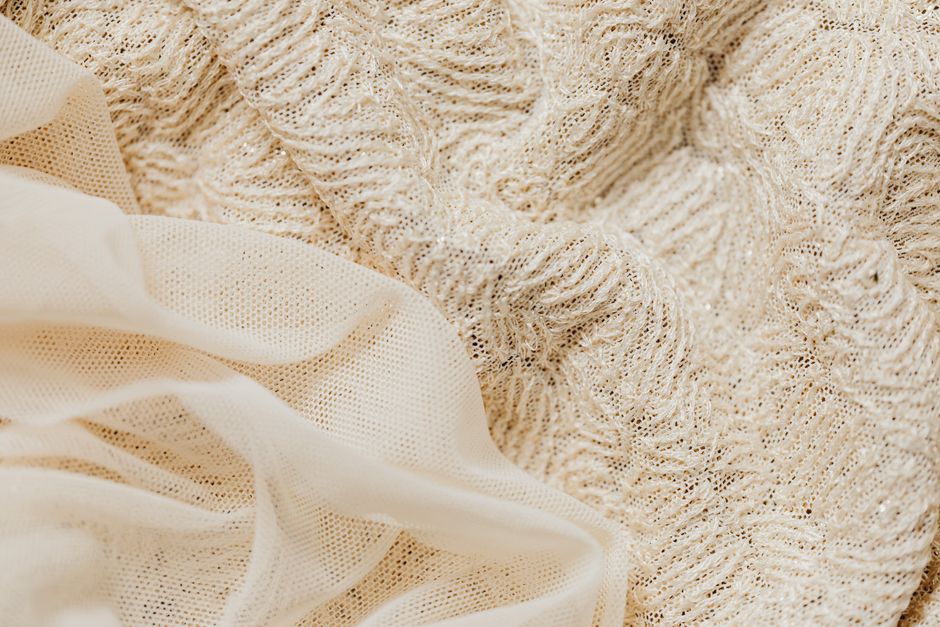
“Soft” is a starting point, not a full description. Fabric hand is the way material feels and moves in your fingers and against your body: cool or warm, slick or brushed, fluid or substantial. A high-end set should have a hand that suits its intended use. Lightweight cotton may feel crisp and breathable; a smooth knit may stretch easily; a brushed surface may feel warmer. None is automatically better. The right choice depends on your temperature, preferences, and sleeping habits.
Check the fiber label and the care label together. Natural fibers are not automatically more comfortable for everyone, and a blend is not automatically a compromise. Fiber content gives useful clues, but yarn, knit or weave, finishing, and garment construction all affect how a fabric feels. If a brand uses a special-finish claim, look for an explanation of what was done and how to care for it. Vague language such as “sleep-enhancing” needs more detail before it deserves your trust.
Notice what touches the skin
Comfort often comes down to the parts shoppers do not see first: inside seams, labels, elastic, buttons, and closures. Seam placement matters because a seam can rub when you roll over. A tag can be a small irritation that becomes a nightly one. An elastic waistband should stay in place without digging in, and a button placket should not create a hard ridge where you sleep.
Seamless construction can help reduce friction, but “seamless” is not a magic word. Some garments use fewer seams; others use flat seams or carefully placed panels. Check how the product is actually made, and consider whether the cut gives you enough room to move. Comfort is not simply the absence of seams—it is the result of fit, fabric, and finishing working together.
Make sensory detail count
Sensory detail clothing earns its description through specific choices: a neckline that does not press, a cuff that stays gentle, fabric that drapes without clinging, or a surface that does not feel clammy when the room warms up. Those details are personal. Someone who likes a close fit may find a roomy set sloppy; someone who sleeps hot may prefer a crisp, light fabric over a plush one.
Think about the moments when you wear the set, not only how it looks laid flat. Do you sleep on your side? Do you like sleeves? Will you wear the top while making coffee? Does the fabric catch on dry skin or bunch under a blanket? A garment can be beautiful and still fail your particular routine. High-end design makes room for real bodies and real habits.
When sleepwear is cut like daywear
The phrase “sleepwear cut like daywear” captures a growing appeal: pajamas with a considered collar, a clean trouser line, or a top that looks finished enough for a slow morning. That polish is useful, but the garment should not confuse presentation with function. A rigid waistband, narrow armhole, or crisp fabric that feels scratchy may look sharp and sleep badly.
Consider the balance between structure and ease. A relaxed shirt can look tailored because its proportions are right, not because it is tight. A straight-leg pant can feel composed while still allowing the knees to bend comfortably. The most successful sets borrow visual cues from daywear and adapt them for rest—softer closures, roomier movement, and materials chosen for extended contact with the body.
Before buying, compare the product measurements with a garment you already like. Review the model’s height and the size shown, but do not rely on that image as a fit guarantee. If the brand offers garment measurements, use them. If it does not, that missing information is worth noting, especially when shopping online.
A practical checklist for a premium sleep set
Detail What to look for Why it matters Fabric Clear fiber content, a useful description of weight or texture, and care instructions Helps you judge feel, warmth, upkeep, and likely wear Fit Garment measurements, room to move, and no obvious pulling at the shoulders or hips A polished silhouette should not restrict sleep or lounging Construction Comfortable seams, a smooth interior, secure closures, and elastic that does not dig Small friction points can become nightly annoyances Claims Specific, supportable statements rather than broad wellness promises Good branding is not a substitute for evidence or product details Care Instructions you can realistically follow A set that needs fussy upkeep may not suit everyday useThe high-end feeling is earned
A premium sleep set does not have to be expensive-looking, logo-heavy, or marketed as a cure for a busy life. Its quality is more legible up close: a fabric that feels right to you, construction that stays out of the way, and a cut that balances ease with intention. Those are not abstract luxuries. They are decisions you can inspect, compare, and feel.
As luxury moves from special occasions into daily routine, the best sleepwear makes a modest promise and keeps it. It helps you feel comfortable at the end of the day and put together at the start of the next one. That may be quieter than a logo, but it is a much better reason to keep wearing it.
More from Mara Ellis · Take the PAGE Reader Survey