After twelve years of scouring the UK for the perfect wedding spot—carrying my trusty tape measure to ensure aisles are actually wide enough for a ballgown and constantly testing the acoustics of a room to see if it echoes like a cavern or holds a room’s energy—I have developed a sharp distaste for the word "stunning." It is a hollow adjective used by people who haven't spent an afternoon listening to the hum of an HVAC system or measuring the distance from the bar to the dancefloor.
When I drive up from my base between Edinburgh and Northumberland, crossing into East Lothian, the shift in atmosphere is palpable. This isn't just "countryside near Edinburgh." It is a landscape defined by industrial grit, architectural heritage, and a coastline that demands attention. If you are looking for a heritage wedding, you aren't looking for a "blank canvas"—you are looking for a venue with a pulse. And East Lothian, quite frankly, is the heartbeat of Scottish heritage weddings.
The Pinterest Paradox: Why Reality Matters More
We live in the era of the "Pinterest Wedding." While I use Pinterest to track design trends—and I appreciate the inspiration boards curated by sites like Want That Wedding—I often warn my clients that a digital board is not a floor plan. Pinterest offers a flat, two-dimensional aesthetic; it doesn’t tell you if the room smells like old dust, or if the "natural light" is actually a glare that will turn your ceremony photos into silhouettes.
When you start planning a heritage wedding, stop looking at images and start looking at texture. East Lothian offers historic venues Scotland is famous for—not because they are "pretty," but because they offer an architectural narrative. Whether it’s the rugged stonework of a converted mill or the refined lines of an estate, these places have a story. When you share your wedding updates on Facebook, X, or Pinterest, you aren't just sharing a photo; you’re sharing a piece of history that you’ve adopted for a day.
Architecture and Texture: Beyond the "Blank Canvas" Myth
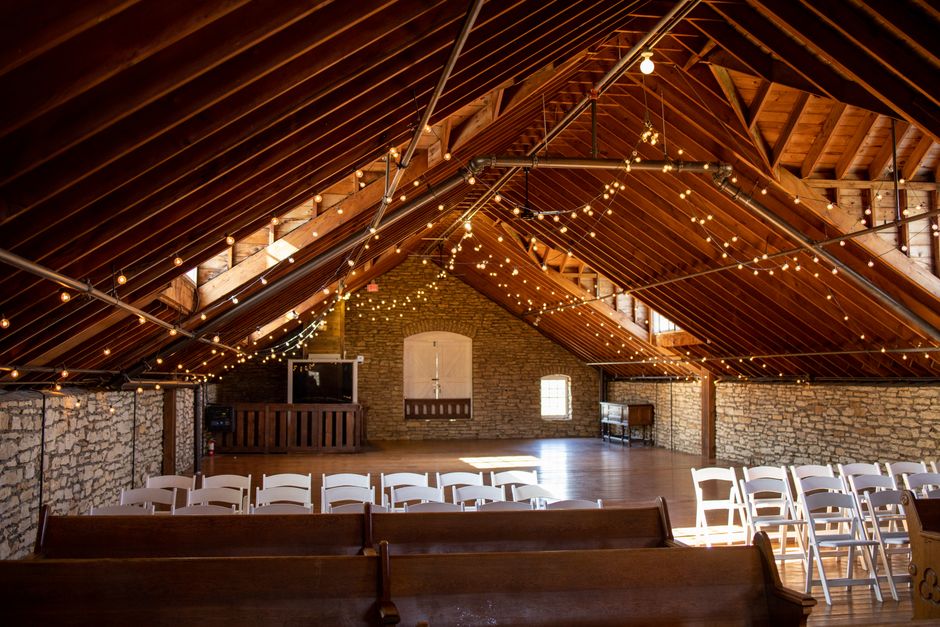
One of my biggest professional grievances is the over-marketing of the "blank canvas." Venue coordinators love this phrase because it shifts the work (and the cost) of creating an atmosphere onto the couple. A true heritage venue doesn’t need to be a blank canvas; it needs to have enough character to carry the day without you needing to spend five figures on draping and fairy lights to hide bad plasterwork.
East Lothian’s historic venues excel here because they possess a inherent sense of place. Look for:
- Sound Absorption: Rooms with exposed stone and timber beams often sound better than sterile, modern white-box event spaces. When a room fills with 100 people, does the sound die, or does it reverberate? Heritage sites are built for human acoustics. Light Quality: Tall, sash windows provide directional light that is the gold standard for wedding photography. Don't look for "bright"; look for "defined." Flow and Logic: A venue that was built for industry or residence often has a layout that feels intentional, not just a series of partitioned rooms.
A Case Study in Heritage: The Venue at Eskmills
If you want to see a masterclass in how to honor the past while facilitating a modern celebration, look at The Venue at Eskmills (eskmillsvenue.com). It is a classic example of an industrial-heritage site that doesn't pretend to be a palace.
What I appreciate most here is the honesty of the space. The architectural texture—the brick, the height, the industrial heritage—is left intact. It doesn't hide behind excessive decor. When I visit, I pay attention to the "photo corners." You know the ones: the spots where the light hits the texture of the building at just the right angle to create a portrait that feels timeless. Eskmills offers these in spades. It’s a venue that respects its own history, which in turn gives your wedding an immediate sense of weight and importance.
The Scout’s Notebook: A Comparison Table
When you are touring venues, don't just look at the flowers. Use this table to sanity-check your potential venues against the "Instagram vs. Reality" standard.
Feature The "Pinterest" Expectation The Reality Check Aisle Width Anything looks good in a photo. If it's less than 90cm, you'll be knocking over the floral arrangements. Bring your tape measure. "Blank Canvas" Easy to style and decorate. Often means you are paying to fix ugly carpets or mismatched lighting. Rain Plan Usually ignored until the day of. Is the "indoor alternative" actually a dark corner behind the catering prep area? Look at the backup space first. Acoustics "The vibe will be romantic." Can the guests hear the vows, or is the room echo turning speech into a roar?Why East Lothian Outshines the Rest
The East Lothian coastline offers a specific kind of light that is rare in the UK. Because the horizon is so open, the light at sunset—the "golden hour"—is much longer and softer than it is in the cramped canyons of Edinburgh’s Old Town. When you combine this light with the architectural texture of the interior, you get a photographic environment that is second to none.
Furthermore, the identity of East Lothian is strong. It doesn't rely on being a "city-lite" destination. It has its https://wantthatwedding.co.uk/2026/04/16/why-converted-heritage-venues-make-unforgettable-wedding-settings/ own agricultural history, its own maritime links, and a slower pace that allows guests to actually breathe. It is a destination for couples who want their wedding to feel like an *event*, not just a ceremony squeezed into a schedule between city traffic jams.
Final Thoughts: Planning with Authenticity
To my couples currently deep in the research phase: stop trying to make every venue look like a copy-pasted Pinterest post. If you choose a venue in East Lothian, lean into its reality. If it has rugged stone walls, let them be rugged. If it has high, industrial ceilings, let the light play with the architecture.
The goal of a heritage wedding is to graft your story onto the long, existing story of the venue. You are not "transforming" the space; you are stepping into it. When you share your wedding on social media—when you upload that first gallery to Facebook or tag your vendors on X—ensure that the venue is a character in the story, not just a backdrop.

East Lothian offers this in abundance. It offers venues that have survived for a century or more, and they are sturdy enough to hold the weight of your memories. Grab your tape measure, go for a visit, and listen to the room. If it sounds like a place where history has been made, it’s probably the right place to start your own.