Every day, new products flood the market promising revolutionary results—from health boosts to tech improvements, to lifestyle perks. But how can you be sure their claims hold water? The pace of innovation now outstrips the regulatory frameworks designed to keep us safe and informed, leaving consumers exposed to marketing hype and legal grey areas. This is especially true in fast-evolving sectors like novel cannabinoids in the UK, where regulation lags behind science and product launch.
In this post, I’ll share a straightforward claim checking checklist to help you critically assess new products. I’ll explain key concepts like independent verification and separating evidence from marketing, and point to useful tools, including social media platforms like Facebook and X (formerly Twitter), for real-time fact-checking and consumer feedback.
Why Judging Product Claims Is Tougher Than Ever
The root challenge is simple: innovation outpaces regulation. Regulators—such as the UK's MHRA (Medicines and Healthcare products Regulatory Agency) or the ASA (Advertising Standards Authority)—are tasked with protecting consumers, but by design, their processes tend to be reactive and slow. They respond after significant complaints or evidence of harm rather than pre-approval in many cases.
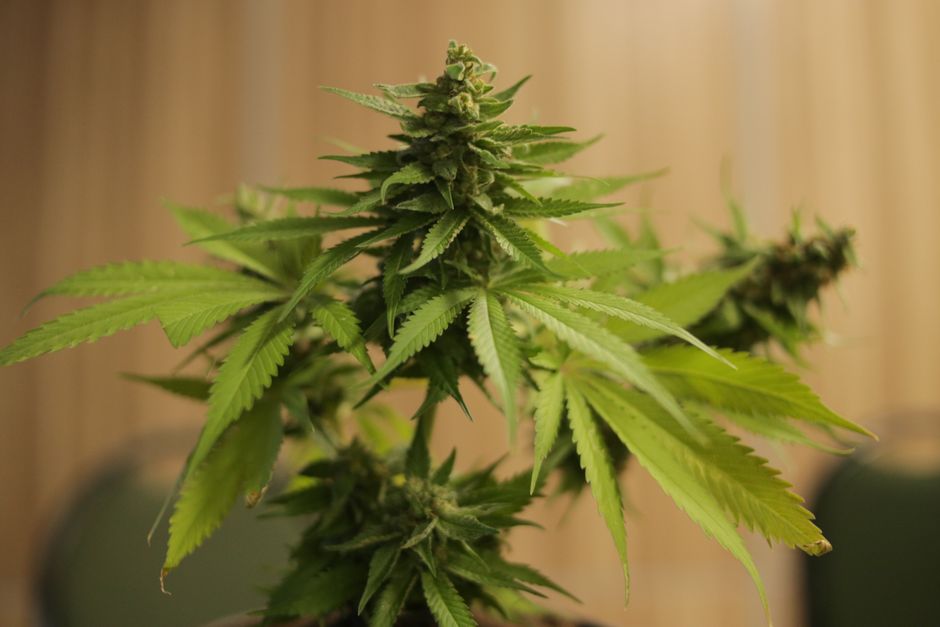
This means consumers often encounter products before clear rules exist. Take novel cannabinoids in the UK for example. These are newly derived chemical compounds based on cannabis plants, but many fall into legal grey areas pending scientific consensus and regulatory decisions. Marketing and consumer usage can, therefore, get ahead of official guidelines.
Grey-Area Products and Consumer Uncertainty
Products that occupy uncertain legal or regulatory status — like some supplements, health gadgets, or unregulated wellness items — create a perfect storm of consumer confusion. Without robust oversight, anyone can claim any benefit.
That’s where a practical, methodical approach to judging claims is essential to protect your wallet and wellbeing.
Building Your Claim Checking Checklist: Step-by-Step
Here’s a checklist you can apply anytime you encounter a new product or service making particular claims:

What exactly is the product promising? “Improves memory by 30% in a week” is a clear claim, whereas “supports brain health” is vague. Clear claims are easier to check.
Look for Independent VerificationHas the claim been verified by third-party sources? Ideally, these should be independent organisations or researchers without financial ties to the product. For example, a clinical trial published in a reputable journal, or product https://bizzmarkblog.com/is-drug-science-a-good-source-for-understanding-emerging-substances/ testing done by consumer watchdogs.
Separate Evidence from MarketingDoes the product website or advertisement present real data or just persuasive language? Watch for marketing buzzwords like “clinically proven” that may not link to actual studies. Ask: can I access the original research?
Is the product approved, registered, or evaluated by new fintech regulation lag relevant authorities? For example, medical devices in the UK need MHRA approval. Novel cannabinoid products might sit in legal grey areas but checking the latest government guidance helps.
Scan User Feedback Across PlatformsLook at customer reviews on multiple platforms—not just the seller’s site. Social media platforms like Facebook and X (Twitter) often provide real-time consumer discussions and independent opinions, including warnings or praise.
Investigate the Manufacturer or BrandResearch the company behind the product: their reputation, history, and transparency. Are they open about ingredient sources, methods, or research backing their claims?
Beware of Too-Good-To-Be-True PromisesExtreme or miraculous claims deserve extra scrutiny. If a product claims rapid cures or guaranteed results, demand stronger evidence or consider it a red flag.
Understand Legal and Ethical ContextFor emerging sectors—like cannabinoids—the legal context can shift rapidly. Stay updated with official government sites or trusted industry experts to avoid inadvertently buying or using unlawful products.
Using Facebook and X as Tools for Claim Verification
Facebook and X (previously Twitter) are excellent for spotting red flags and gathering broader perspectives:
- Search hashtags and keywords related to the product or claim. Follow posts from credible experts or independent testing organisations. Join consumer groups or forums where people share real experiences. Look for official statements from regulators shared on their verified accounts.
For example, if you're evaluating a novel cannabinoid product, searching #CBD, #THCfree or #novelcannabinoids on these platforms can reveal recent regulatory developments, user feedback, and industry news.
Practical Example: Judging a Novel Cannabinoid Product’s Claim
Imagine you find a UK product claiming: “Boosts mood and reduces anxiety faster than traditional supplements.”
- Check claim clarity: Mood and anxiety are broad, and “faster” than what? The claim is somewhat vague but suggests a benefit. Seek independent verification: Look for research on this exact cannabinoid with mood effects, published by independent labs or universities. Check if the study population matches the UK demographic. Separate evidence from marketing: Does the product link to published studies? Are testimonials highlighted instead of data? Review regulatory status: Is this cannabinoid explicitly allowed in the UK? Has the MHRA issued warnings? Government websites or official social media accounts will help here. Social media scan: Search Facebook groups or X threads for user experiences or professional critiques. Company transparency: Check if the manufacturer discloses extraction methods, purity certificates, and contact info. Beware exaggerated promises: “Faster than traditional supplements” is a bold claim; tread carefully unless backed by solid data.
If many questions remain or evidence seems scant, the best advice is simple: when in doubt, wait.
Summary Table: Claim Checking Checklist
Step What to Do Why It Matters Identify the Claim Define precisely what is promised Clear claims are easier to verify Look for Independent Verification Find third-party evaluations or studies Reduces risk of biased info Separate Evidence and Marketing Distinguish data from persuasive language Prevents falling for empty slogans Check Regulatory Status Verify approval or warnings from regulators Ensures legal safety and oversight Scan User Feedback Read reviews and social media chatter Gauges real-world experiences Research the Brand Explore company track record and transparency Builds trust or reveals red flags Beware Over-Claims Question extreme promises Protects against scams Understand Legal Context Follow current laws and guidelines Prevents unlawful purchases or useFinal Thoughts
In a world where innovation marches ahead and regulation plays catch-up, consumers need practical tools to judge the legitimacy of product claims. Using a clear claim checking checklist, and leaning on independent verification and evidence (rather than slick marketing), empowers you to make safer, better-informed purchases. Remember, platforms like Facebook and X offer valuable real-time insights, especially when official guidance is slow or incomplete.
And if a product’s claims remain murky or the evidence thin, the simplest advice is: when in doubt, wait. Your health, time, and money are worth a little patience.