I keep a very specific list on my phone. It’s not a grocery list or a to-do list for my flat. It is a log of everything that has left a stubborn, neon-orange stain on my favourite white linen shirt or my bathroom tile grout that week. Last Tuesday, it was a particularly aggressive turmeric-heavy curry. Thursday? A rogue splash of Pinot Noir while trying to prep for a Zoom call. Friday was, inevitably, a double espresso that missed the mark.
As a beauty editor with nine years of experience covering the at-home treatment market, I’ve learned that our teeth are essentially porous sponges. If they can stain my linen shirt, they can stain my enamel. And yet, every time I finish a two-week whitening course, I feel a sense of betrayal when I notice that telltale yellow hue creeping back after only a few days of normal life. If you’re asking yourself, "Why do my teeth restain so quickly after whitening?", you aren’t alone. It’s not necessarily that your product failed you; it’s that your life didn't stop for the whitening process.
The Digital Smile: Why we’re all obsessed
There is no escaping it: we are living in the whitening gel for smokers teeth era of the high-definition smile. Between the constant, unforgiving gaze of a Zoom window—where I’ve spent the last few years scrutinizing my own face during editorial meetings—and the perfectly lit, filtered world of Instagram, our teeth have become the ultimate accessory. We want the brightness. We want the confidence that comes with a "post-dentist" look, and we want it delivered in a kit through our letterbox.
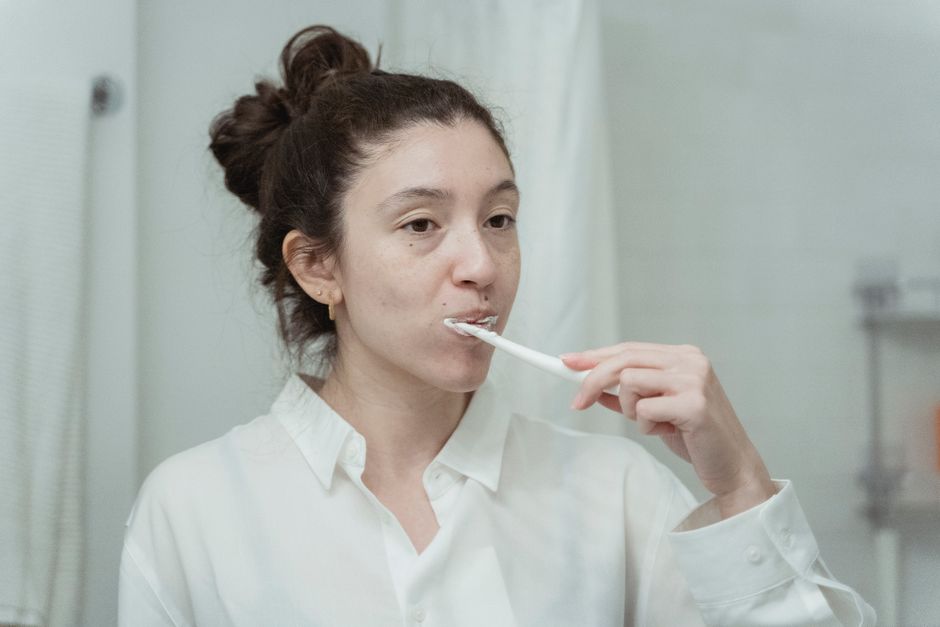
This rise in demand for convenience has led to an explosion of at-home whitening solutions. While I applaud the accessibility, I’m constantly annoyed by the "overnight miracle" marketing that litters the industry. Let me be clear: nothing changes the permanent colour of your teeth in a single night without consequences. If a brand promises you blindingly white teeth in 20 minutes with no sensitivity, they are either lying or using abrasives that are essentially sandpapering your enamel. Do not believe them.
How whitening actually works (And why the stains come back)
To understand why teeth restain, you have to understand what the whitening gel is actually doing. Whitening agents like hydrogen peroxide or carbamide peroxide work by penetrating the enamel and breaking down the chemical bonds of the discolouration (the chromophores) trapped within the tooth structure.
Crucially, after you whiten your teeth, your enamel is temporarily dehydrated and more porous than usual. This makes it a high-traffic zone for new pigments. If you drink a coffee immediately after a whitening session, you are basically inviting those tannins to make themselves at home in your freshly opened enamel pores. You aren't just drinking coffee; you are dyeing your teeth.
The "Real-Life" Habit Problem
Most instructions on these kits assume you live in a lab. They ignore the reality of a busy morning, a school run, or a high-pressure office environment. As a product tester, I time my routines by real-life habits, not "ideal conditions." If you brush your teeth immediately after a meal, you’re often just rubbing acids into your teeth. If you whiten your teeth before bed but skip the straw for your morning tea, you are sabotaging yourself.
The Transparency Crisis: Why we need better info
One of my biggest gripes in this industry is the lack of price transparency. I’ve scrolled through countless websites—some of them well-known brands—only to find vague ingredient lists and zero pricing information until you get to a checkout page. It feels predatory. I recommend checking resources like the UK Oral Health Foundation to understand what ingredients are actually safe and effective before you commit your budget.
When you are researching products, look for companies that lay their cards on the table. Brands like Parlor Beauty offer a more curated, considered approach to beauty, while companies like Smile4You provide clinical-grade whitening systems that actually explain the science behind the carbamide peroxide concentrations they use. Neither of these brands relies on the "miracle" buzzwords that make me want to throw my laptop across the room.
Your "Maintain the Bright" Strategy
If you want to stop the cycle of bleaching and restaining, you have to adjust your habits. We don't need to stop living, but we do need to be strategic.
The Post-Whitening Survival Guide
Habit The "Editor's Fix" The Morning Cuppa Use a reusable silicone straw. It sounds dramatic, but it keeps the liquid away from your front teeth entirely. Red Wine/Curry Avoid these for 48 hours post-whitening. If you can’t, brush with a non-abrasive toothpaste immediately after. Zoom Meetings Keep a water bottle on your desk. Swish with water after your coffee. It prevents the coffee from "settling" in. Routine Timing Perform your whitening treatment right before bed, *after* your last snack. Do not eat anything else until morning.Addressing the Sensitivity Elephant in the Room
I get deeply irritated by instructions that ignore sensitivity. If you feel that sharp, "zapping" sensation in your teeth, your body is telling you to stop. Ignoring it because the bottle says "apply for 60 minutes" is a recipe for long-term enamel damage. If you have sensitive teeth, look for kits that include a remineralising gel, or reduce your wear time. A whiter smile is not worth nerve pain.
Final Thoughts: Consistency > Intensity
Maintaining bright teeth isn't about one aggressive, high-concentration session once a year. It’s about the boring, quiet stuff: drinking water, using a straw for those pigmented drinks, and opting for reputable brands that provide clear usage guidelines.
Remember that those before-and-after photos on Instagram are often taken in different lighting, or with the "after" photo taken while the teeth are still slightly dehydrated (making them look brighter). Don't set your expectations to a screen-filtered reality. Set them to a healthy, well-maintained version of your natural smile.

And for heaven’s sake, keep a note of what stains your clothes—if it stains your shirt, it’s going to stain your teeth. Treat your smile with the same respect you treat your best clothes, and you’ll find you’re doing a lot less "emergency whitening" and a lot more just living your life.