It’s an all-too-common scenario: the clock strikes break time, you breathe a sigh of relief, and you reach for your phone or laptop to scroll through social media. But that “break” feels less like a breath of fresh air and more like a drain on your energy and focus. Why is it that social media — the convenient, go-to escape — often makes your break feel worse?
After 12 years coaching teams on realistic routines that actually fit between meetings, I’ve seen this happen too often. There’s a science and a little-known art behind what makes a break genuinely restorative. Let’s unpack https://smoothdecorator.com/how-do-i-stop-a-5-minute-break-turning-into-30-minutes/ the subtle pitfalls of social media breaks, mix in insights from authorities like the Health and Safety Executive (HSE), and explore practical tools and tips that really work.
Understanding the Purpose of a Break
Before diving into why social media can backfire, it’s crucial to revisit why we take breaks in the first place.
- Rest the mind: Prevent mental fatigue and attention residue leftover from work tasks. Reboot your energy: Recharge by minimizing cognitive load for a few minutes. Change posture and environment: Avoid physical discomfort caused by being seated too long with the same posture.
The HSE highlights that effective breaks improve both well-being and efficiency. Breaks are not simply “time off,” they should serve a clear restorative purpose.
Why Social Media Can Undermine the Break Purpose
When you https://bizzmarkblog.com/my-inbox-stresses-me-out-should-i-avoid-email-on-breaks/ reach for social media during a break, it’s easy to fall into what I call the endless feed trap. Here’s why that’s problematic:
Algorithm fatigue: Social media algorithms are designed to keep you scrolling endlessly by serving up addictive, attention-grabbing content. This leads to prolonged screen time rather than true mental rest. Attention residue: Even a small social media session can leave your brain still processing snippets of images, videos, and news headlines, interfering with cognitive reset. Lack of clear ending: When breaks don’t have a defined boundary, like reaching a timer or task completion, it’s easy to lose track of time and not gain the refresh you need.Often, what was supposed to be a “quick check” turns into 15 or 20 minutes of doomscrolling—making you feel more drained, not less.
Micro-Breaks with Clear Endings: The Secret Sauce
Based on my years of on-the-floor office management and coaching, the magic happens with structured micro-breaks that have clear boundaries. The team at MRQ, specializing in workplace productivity tools, emphasizes that breaks under 5-7 minutes with a set start and end work best.
Why Timers and Boundaries Matter
- Prevents “just one more…” syndrome: A timer limits the temptation to stretch your break indefinitely or get sucked deeper into social media. Helps shift focus: Knowing there’s an endpoint encourages more mindful engagement with your break activity. Supports posture change: Setting a timer can act as your cue to stand, stretch, or switch to a different mode of relaxation or movement.
By contrast, letting phone notifications or the laptop’s social feed determine the break’s duration rarely ends well. Notifications can disrupt your flow and remind you of work tasks, breaking concentration. This attention residue makes your next task harder to engage with effectively.
Screen Fatigue and Posture: Double Whammy for Social Media Breaks
Another major factor: social media often requires staring at a screen. Whether it’s your phone or laptop, this means:
- More screen time: Your eyes and brain don’t get a break from blue light and information overload. Postural strain: Hunched shoulders, fixed neck position, and prolonged sitting worsen physical discomfort.
The folks at ChuckleS Life, known for promoting fun and functional ergonomic tips, highlight how even a few minutes of static posture with screens can add up to long-term physical stress.
So a break filled with screen scrolling can paradoxically prolong the exact discomfort breaks are meant to relieve.

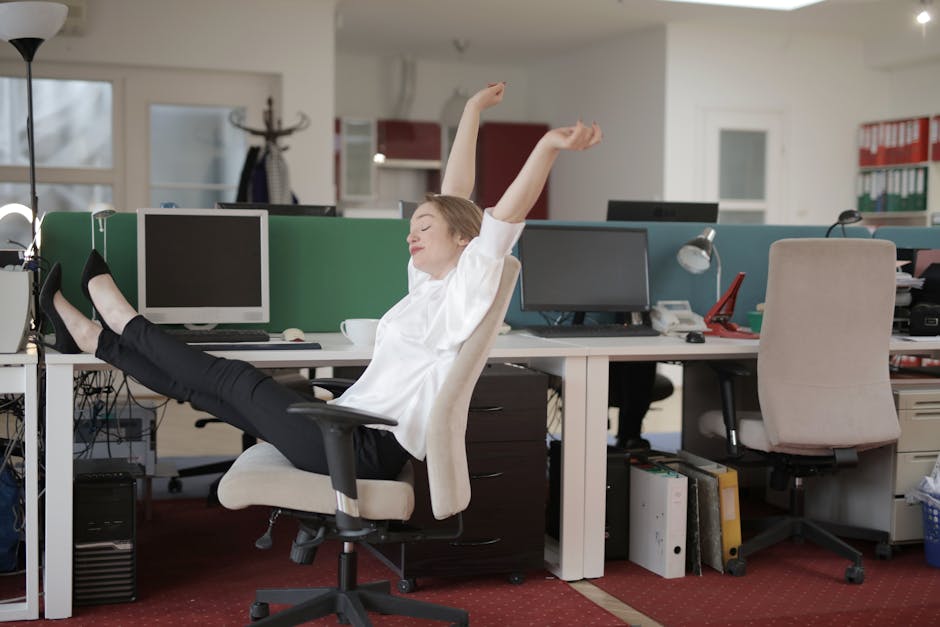
What Works Better: Break Activities That Change the Mode
- Look out a window: Something as simple as focusing on a natural scene lets your eyes rest from pixels and reduces cognitive load. Stand and stretch: Even a couple of minutes to change posture reinvigorates circulation and reduces musculoskeletal tension. Move outside briefly: Fresh air, a short walk, or deep breathing resets mental and physical states.
When you do use a screen, consider limiting the break to purposeful, time-limited activities rather than aimless scrolling.
Practical Tips to Make Your Breaks Actually Work
Here’s a practical guide to help you reclaim your break time from the endless feed and algorithm fatigue:
Set a timer for your break: Use your phone or laptop timer to establish a definite start and finish (I always keep a 5-minute timer handy, even if it feels a bit silly). Create a “break menu” near your workstation: List easy, no-equipment activities you enjoy that actually relax you (e.g., window watching, stretching, breathing exercises). Turn off or mute phone notifications: Don’t let work pings or social notifications lure you out of restorative mode. Resist calling social media “a break”: Remember that scrolling can look like a break but often doesn’t deliver restoration. Use social media wisely: If you want to check social apps, do it with intention, and stop when the timer goes off. Change your posture consciously: Even standing or shifting your seat can stop the physical slump that screen time encourages.A Sample 5-Minute Micro-Break Routine
Step Activity Reason 1 Set a 5-minute timer Clear boundary to avoid endless scrolling 2 Look out the window or step outside Reset eyes and mind, reduce screen fatigue 3 Stretch or stand up Change posture and reduce physical strain 4 Take 5 deep breaths Activate relaxation response, reduce stress 5 Reflect briefly on what refreshed you Build awareness and customize breaks for next timeWrapping Up
Social media’s endless feed and algorithm fatigue make it a poor choice for the restorative breaks your mind and body truly need. By understanding your break’s purpose, setting clear boundaries with timers, changing posture, and switching off from screens, you can take micro-breaks that feel like actual breaks.
Next time your phone notifications buzz during break time, resist the urge to “just check a quick post.” Instead, try a change of scenery, a stretch, or that simple timer you keep tucked near your workspace. Your focus, energy, and posture will thank you — and so will your next task.
For more tips on realistic office routines and well-being, check out resources from MRQ and playful movement inspiration from ChuckleS Life.